Introduction to Manlift
In construction and maintenance, the need for operational efficiency and worker safety cannot be overstated. One crucial piece of equipment that assists in performing various tasks at elevated heights is the manlift. Designed to raise personnel to heights where they can handle installations, repairs, or inspections, manlifts are vital in numerous industries. Understanding what a manlift is and its varieties is essential for maximizing its benefits in your projects.
Understanding What a Manlift Is
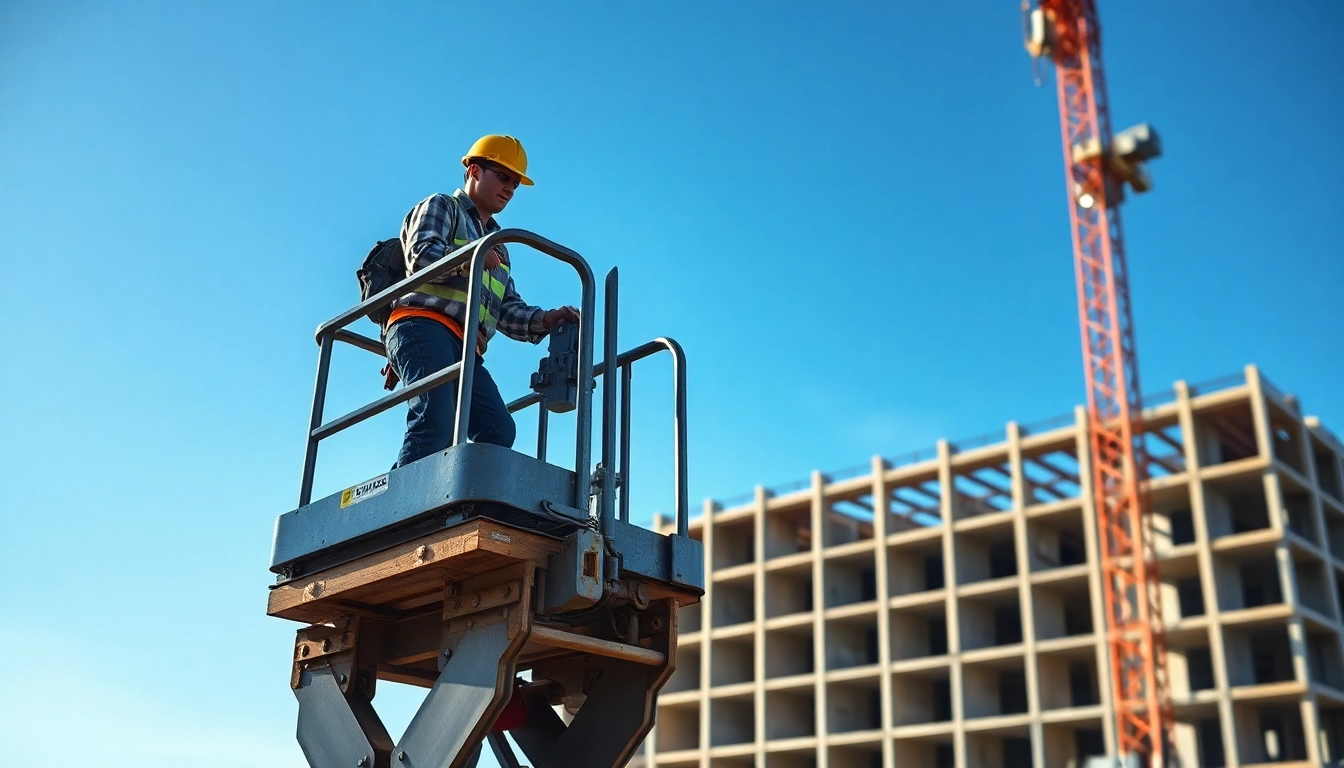
A manlift is an aerial work platform that provides a secure and stable platform for workers to perform tasks at heights safely. It employs mechanical systems to raise and lower workers along with their tools and equipment. Typically, a manlift is equipped with safety features such as guardrails and harness points to minimize the risks associated with working at heights. This equipment aids in reducing physical strain on workers by creating an efficient way to reach elevated areas without the need for ladders or scaffolding.
Types of Manlifts Available
Manlifts come in various designs tailored to specific operational needs. The main types include:
- Scissor Lifts: These lifts use crisscrossing support arms to extend vertically. They offer a stable work platform at various heights and are ideal for tasks that require a flat surface, such as maintenance work or installation in warehouses and shopping centers.
- Articulating Boom Lifts: Known for their flexibility, these manlifts can extend and maneuver around obstacles. They often feature telescoping arms that allow access to hard-to-reach areas, making them suitable for trimming trees, painting buildings, or performing maintenance on uneven terrain.
- Telescopic Boom Lifts: These lifts extend linearly, providing height without having to navigate obstacles. They are primarily used for outdoor applications where longer reach is required, such as construction sites and large-scale installations.
- Personnel Lifts: Also known as single-man or compact lifts, these are designed for individual use, allowing quick access to elevated areas in tight spaces, perfect for retail and small service areas.
Common Uses in Construction and Maintenance
Manlifts are employed across various sectors for numerous applications, including:
- Construction: They are crucial for tasks such as installing roofing, framing, or HVAC systems. Their ability to reach significant heights efficiently makes them indispensable at construction sites.
- Maintenance: Manlifts allow for easy access to lighting, signage, and other overhead equipment for maintenance and repairs, promoting worker safety by reducing the risk of falls associated with ladders.
- Film and Photography: In the entertainment industry, manlifts are often used to capture elevated shots and provide camera operators with a vantage point that traditional equipment cannot achieve.
- Warehousing: Within large warehouses, manlifts are beneficial for stock management and inventory control in high storage areas, enabling staff to retrieve or store goods safely.
Benefits of Using a Manlift
Utilizing a manlift in your operations not only increases productivity but also enhances safety and overall operational effectiveness. Below are the key advantages of incorporating manlifts into your project strategies:
Enhanced Safety for Workers
Working at heights presents significant risks, including falls, which result in severe injuries or fatalities. Manlifts are designed with safety features such as guardrails, safety harnesses, and stability management systems that provide a secure platform for workers. These lifts promote safe work environments, reducing the likelihood of accidents associated with traditional ladders or scaffolding.
Increased Productivity and Efficiency
Manlifts provide a faster and more efficient way for workers to reach elevated areas, thereby improving overall workflow. Their ease of operation and accessibility significantly reduce the time taken to complete tasks, translating directly into increased productivity. Rather than moving multiple tools and equipment manually, workers can bring everything they need to the elevated station in one trip.
Cost-Effectiveness of Manlift Rentals
Renting a manlift is often more cost-effective than purchasing, especially for short-term projects. Rental services provide the latest models with proper maintenance, sparing you significant upfront costs. Moreover, renting frees up capital that can be allocated elsewhere in your operations, making it a financially sound choice for many contractors and businesses.
How to Choose the Right Manlift
Selecting the right manlift involves understanding your project’s specific needs and evaluating available options. Here are several critical factors to consider:
Evaluating Your Project Needs
Begin by assessing the scope of your work. Determine the height required, type of task (i.e., installation, maintenance, etc.), and the work environment. For example, if your work is indoors in tight spaces, a compact scissor lift or personnel lift may be the best choice. Conversely, for outdoor projects that require flexibility and reach, an articulating boom lift could be ideal.
Understanding Lift Specifications
Each type of manlift comes with its specifications regarding maximum lift height, load capacity, and operational range. Ensure you understand these metrics and choose a lift that not only meets your height requirements but also has the weight capacity necessary to safely elevate materials and personnel. Additionally, consider power sources—electric lifts may work well indoors, while diesel-powered options are better suited for outdoor applications.
Comparing Rental Options and Prices
After narrowing down your choices, compare rental options from various providers. Look beyond just pricing; consider the customer support, maintenance history of the equipment, and provisions such as delivery options. Engaging a reputable rental service ensures you're getting well-maintained equipment that enhances your operational safety and efficiency.
Best Practices for Operating a Manlift
To ensure the safe and effective operation of a manlift, adhere to specific best practices:
Safety Guidelines to Follow
Before operating a manlift, all workers should receive comprehensive safety training. Familiarize yourself with the manlift’s operating manual and safety instructions. Always inspect the equipment before use, checking for any potential issues. Adequate training and awareness of environmental factors—such as wind speeds for outdoor lifting—can significantly mitigate risks.
Training Requirements for Operators
Operators of manlifts must undergo formal training and certification according to OSHA standards. This training covers safe operation techniques, emergency procedures, and proper inspection protocols. Ensuring that all personnel are adequately trained not only complies with regulations but also fosters a culture of safety.
Maintenance Tips for Longevity
Regular maintenance is crucial for prolonging the lifespan of a manlift. Follow a schedule for routine inspections, maintenance checks, and necessary repairs. Keeping equipment in optimal condition reduces the risk of malfunctions, ensuring high performance and safety levels throughout use. Inquire about the rental service’s maintenance policies to ensure the equipment you are using is reliable and up to date.
FAQs About Manlift
What is a manlift used for?
A manlift is used for elevating workers and equipment to safely perform tasks at height, particularly in construction and maintenance environments.
What types of manlifts are commonly used?
The most common types include scissor lifts, articulated boom lifts, telescopic boom lifts, and personnel lifts, each serving different operational needs.
How high can a manlift reach?
Manlifts offer a wide range of heights, typically reaching from 20 feet to 185 feet, depending on the model and type utilized.
Do I need a license to operate a manlift?
Yes, operators usually need specific training and certification to operate a manlift, as outlined by OSHA regulations regarding equipment operation.
Can I rent a manlift for a short period?
Yes, many rental services cater to both short-term and long-term rentals, allowing flexibility according to various project timelines and needs.