Understanding SHASHEL® Microwave Technology
In the world of pest control and wood preservation, SHASHEL® microwave technology has emerged as a revolutionary solution. Unlike traditional methods that often rely on toxic chemicals, the SHASHEL® system harnesses the power of microwaves to eliminate wood-boring insects swiftly and effectively. This innovative approach not only addresses infestations but also preserves the integrity of the wood, making it a preferred choice for homeowners, craftsmen, and businesses alike.
What is SHASHEL® technology?
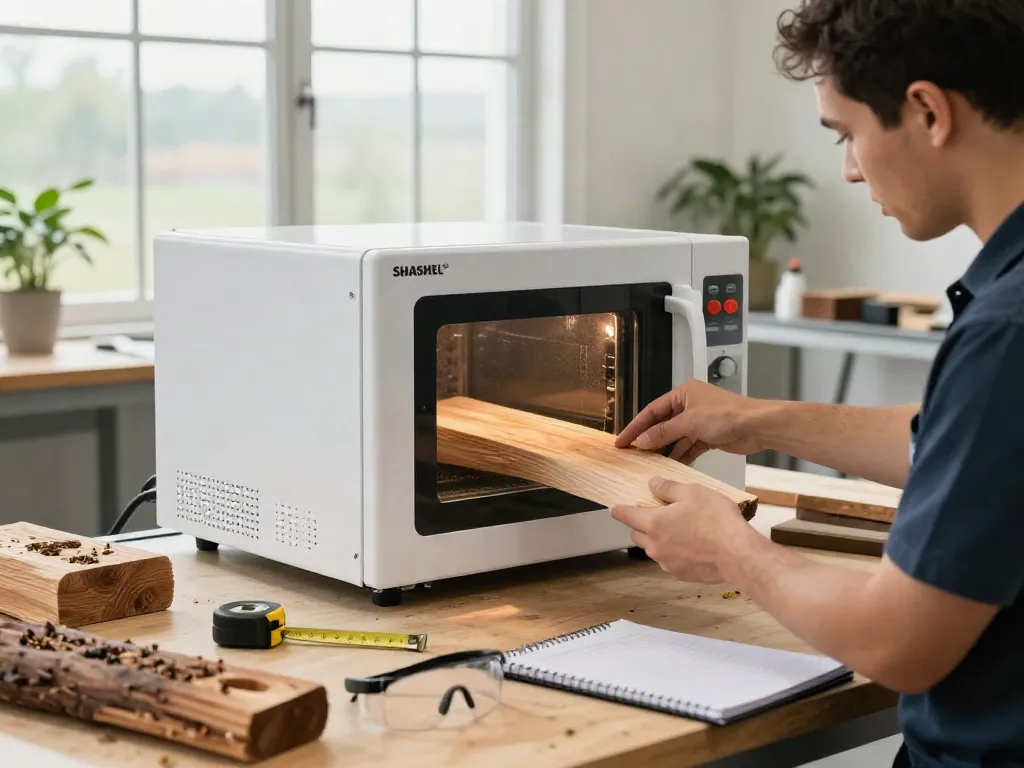
SHASHEL® technology refers to a specialized microwave system designed to target and eradicate pests that damage wooden structures. The system emits microwave energy that penetrates deep into the wood, effectively killing wood-boring insects, larvae, and their eggs without harming the wood itself. This technology stands out by providing a chemical-free method of pest control, making it safe for indoor use and environmentally friendly.
How does microwave treatment work?
The SHASHEL® microwave treatment utilizes electromagnetic waves that generate heat within the wood. When the microwaves are absorbed by the moisture within the wood and the pests, they create a lethal environment for these insects. The process is quick; it can eliminate infestations within just a few minutes, depending on the thickness and type of wood being treated. This efficiency not only saves time but also minimizes disruption to the surrounding environment.
Comparing traditional methods and SHASHEL®
Traditional pest control methods often involve the use of chemical treatments, which can pose significant health risks to humans and pets and may lead to environmental contamination. In contrast, SHASHEL® microwave treatment is a safer alternative, providing the same or better efficacy without the harmful side effects. Chemical treatments generally require longer application times and may necessitate multiple visits for thorough eradication, whereas the SHASHEL® system delivers rapid results that are immediate and effective.
The Benefits of Using SHASHEL® for Wood Treatment
Speed and efficiency in pest elimination
One of the standout features of SHASHEL® technology is its speed. In just minutes, it can eradicate wood-boring insects that would otherwise take a long time to eliminate through conventional means. This rapid action means that homeowners and businesses can quickly return to using their wooden structures without the fear of ongoing damage or infestations.
Chemical-free wooden material preservation
Preserving the quality and integrity of wooden materials is crucial, especially for antiques and valuable wooden constructions. The SHASHEL® system achieves this by avoiding harsh chemicals, ensuring the wood remains safe for use in various applications, including furniture making and construction.
Environmental advantages of SHASHEL® treatment
As global awareness of environmental issues grows, the demand for eco-friendly pest control methods rises. SHASHEL® technology aligns with this trend, offering a solution that is not only effective but also reduces the carbon footprint associated with traditional pest treatments. By eliminating chemical usage, the SHASHEL® system promotes a healthier living and working environment.
Step-by-Step SHASHEL® Application Process
Preparing wood for treatment
Before using the SHASHEL® system, it is essential to prepare the wood appropriately. This includes identifying areas of infestation and ensuring that the wood is accessible for the treatment process. Any additional items or obstacles should be removed to facilitate even microwave penetration.
Setting up the SHASHEL® device
Setting up the SHASHEL® device is a straightforward process. Users must ensure that the unit is connected to a power source and calibrated according to the specific wood type and thickness. Following the manufacturer's instructions is critical to maximize the effectiveness of the treatment.
Monitoring the treatment process effectively
During the microwave treatment, it's crucial to monitor the process to ensure that it is operating correctly. Most SHASHEL® devices come with built-in safety features that allow users to track the temperature and effectiveness in real-time. Proper monitoring helps to confirm that the treatment is successful and that all pests are eliminated.
Common Challenges in Pest Control and Solutions with SHASHEL®
Identifying wood-boring insect infestations
Identifying the presence of wood-boring insects can often be challenging, as the damage may not be immediately visible. Homeowners should look for common signs such as small holes in the wood, frass (wood dust), and visible larvae. Once identified, using SHASHEL® technology can provide a swift resolution to the pest problem.
Overcoming misconceptions about microwave treatment
Despite its efficacy, there are misconceptions surrounding microwave pest control, primarily regarding its capability and safety. Educating potential users on how SHASHEL® technology functions and its benefits can help alleviate these concerns. Demonstrating the technology's effectiveness through case studies and testimonials can further build trust.
Effective post-treatment practices
After completing treatment with SHASHEL®, it is essential to follow up with proper maintenance practices. This includes regular inspections of the treated wood and applying preventive measures to avoid future infestations. Additionally, homeowners should consider using protective finishes to enhance the longevity of the treated wood.
Future Trends in Pest Control Technology for 2026
Innovations in microwave technology
As technology continues to evolve, so too does the SHASHEL® system. Future developments may involve enhanced microwave equipment that increases efficiency and extends the range of wood types that can be treated. Innovations could also integrate smart technology for easier monitoring and control.
The growing importance of eco-friendly solutions
With a rising emphasis on sustainability, the pest control industry is expected to shift more towards eco-friendly solutions. The demand for non-chemical methods like SHASHEL® treatment is anticipated to grow, driven by consumer awareness and regulatory changes aimed at reducing chemical dependencies.
Adapting SHASHEL® to future industry needs
To stay relevant, SHASHEL® must continue to adapt to the changing landscape of pest control. This includes enhancing service offerings for commercial clients, expanding into new markets, and refining existing technologies to meet consumer needs for safety, efficacy, and environmental responsibility.
What types of wood can SHASHEL® treatment be used on?
SHASHEL® technology is versatile and can be used on various types of wood, including hardwoods, softwoods, and engineered wood products. This flexibility makes it suitable for a wide range of applications, from residential to industrial settings.
How safe is the SHASHEL® microwave treatment?
SHASHEL® microwave treatment is safe when used as directed. The technology is designed to minimize risks, and the absence of chemicals ensures a non-toxic environment. However, users should always follow safety guidelines provided by the manufacturer for optimal results.
What results can be expected from SHASHEL® treatment?
Users can expect thorough pest eradication within minutes of treatment. The SHASHEL® system's effectiveness is often visible with no signs of live insects or eggs remaining after application. Regular monitoring and maintenance can further ensure the lasting results of the treatment.
Can SHASHEL® technology be used commercially?
Yes, SHASHEL® technology is suitable for commercial use, including in warehouses, storage facilities, and other locations where wooden materials are housed. Its efficiency and effectiveness make it an ideal solution for businesses looking to protect their assets.
How to maintain SHASHEL® equipment?
Regular maintenance of the SHASHEL® equipment is crucial for ensuring its longevity and effectiveness. This includes cleaning the device, checking for any wear or malfunction, and following any specific maintenance procedures outlined by the manufacturer. Proper care can extend the lifespan of the equipment and enhance its performance.