Understanding Above-Ground Storage Tank Design
Above-ground storage tanks (ASTs) are critical components in various industries, facilitating the safe storage of liquids ranging from water to hazardous chemicals. As sectors expand and compliance with regulations becomes increasingly stringent, mastering Above-Ground Storage Tank Design is essential for operational safety and efficiency. This article dives deep into the fundamentals of AST design, materials used, safety regulations, and the emerging trends shaping the future of tank construction.
What is Above-Ground Storage Tank Design?
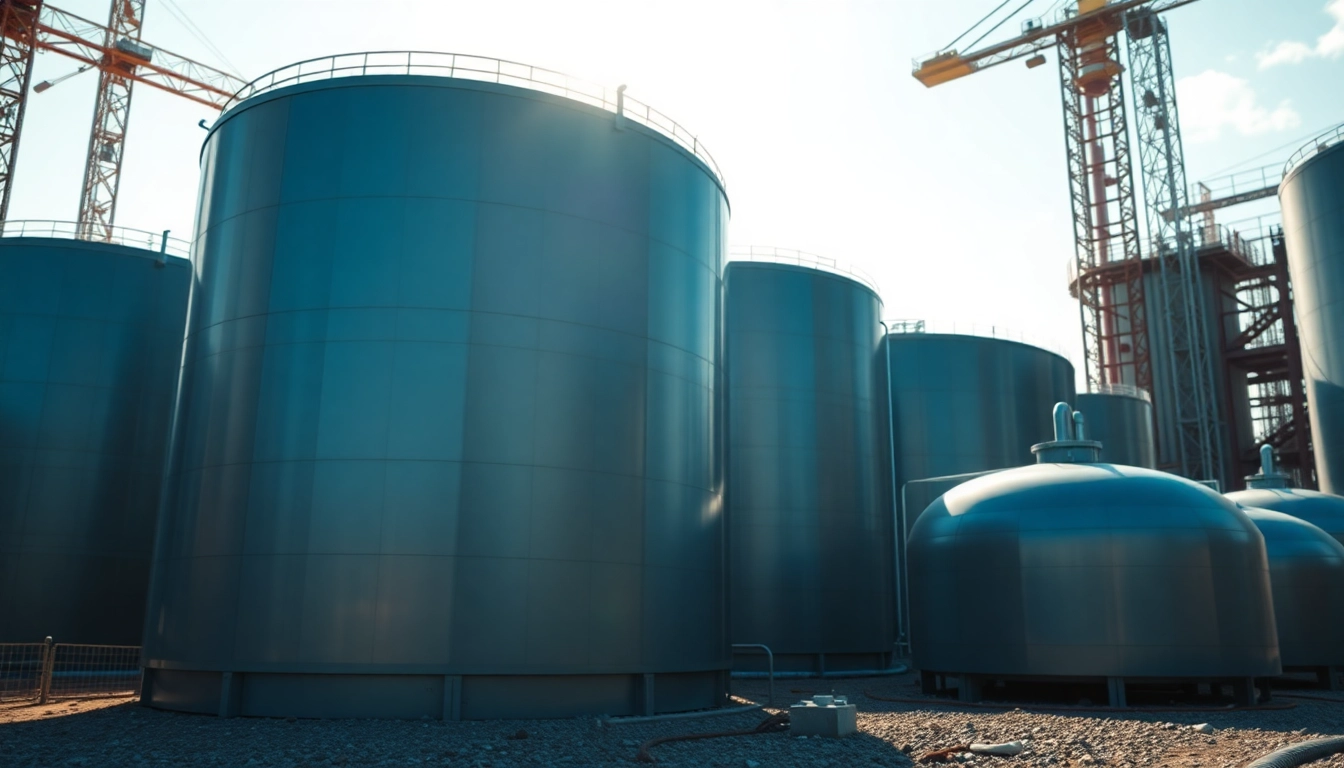
Above-ground storage tank design refers to the engineering and construction practices involved in creating tanks that reside above the ground for liquid storage. These designs must consider a variety of factors such as material selection, durability, environmental impact, and safety protocols. Various industries, including petroleum, chemical, and municipal sectors, employ ASTs to store hazardous and non-hazardous substances alike.
Key Components of Tank Design
Several crucial components form the backbone of AST design, including:
- Tank Structure: The tank's physical framework must support the weight of the liquid and withstand environmental loads.
- Foundation: A solid foundation is essential to ensure stability and prevent sinking or tilting.
- Fittings and Appurtenances: These include valves, vents, and overflow protection devices, all critical for safe operation.
- Containment Systems: Secondary containment systems prevent spills and leaks from impacting the environment.
Importance of Regulations in Storage Tank Design
ASTs are subject to numerous regulations to ensure safety and environmental protection. The U.S. Environmental Protection Agency (EPA) has established guidelines governing the design, construction, and maintenance of above-ground tanks. Compliance with regulations such as the Spill Prevention, Control, and Countermeasure (SPCC) rule is crucial for operators to mitigate risks associated with oil spills and other hazardous liquid leaks.
Materials and Construction Techniques for Above-Ground Tanks
Common Materials Used in Tank Construction
Materials selected for AST construction are vital for durability and safety. Common materials include:
- Steel: Often coated or galvanized, steel offers high tensile strength and resistance to impact and weather.
- Fiberglass: This lightweight material provides excellent corrosion resistance, especially for chemical storage.
- Polyethylene: A versatile plastic material ideal for smaller storage tanks due to its chemical resistance and lightweight properties.
Welding and Fabrication Techniques
The integrity of an above-ground storage tank relies heavily on the welding and fabrication methods used. Common techniques include:
- Arc Welding: Provides strong, durable joints, essential in steel fabrication.
- Orbital Welding: This advanced technique ensures uniform welds, especially beneficial for stainless steel tanks.
- Fabrication Standards: Adherence to standards like API 650 is essential for ensuring structural integrity through quality control.
Durability and Maintenance Considerations
Long-term durability is paramount in AST design. Factors impacting durability include:
- Corrosion Resistance: Choosing the right materials and protective coatings can prevent corrosion damage.
- Regular Inspections: Routine maintenance checks are crucial for identifying potential issues before they lead to failures.
- Environmental Protection: Implementing designs that include secondary containment can safeguard against environmental hazards.
Design Considerations for Specific Applications
Design for Hazardous Liquid Storage
When storing hazardous liquids, specific design considerations must be made including:
- Fire Safety Measures: Tanks should be constructed with fire-resistant materials and equipped with fire suppression systems.
- Leak Detection Systems: Installing advanced monitoring systems ensures leaks are detected and addressed promptly.
- Ventilation: Adequate ventilation systems are crucial to prevent vapor build-up and explosion risks.
Design for Water Containment
Designing tanks for freshwater or wastewater containment involves unique considerations such as:
- Water Quality Maintenance: Tanks must be lined or designed to prevent contamination of the stored water.
- Overflow Systems: It is necessary to have systems in place that can handle overflow situations without causing environmental damage.
Adaptations for Urban Environments
In urban settings, ASDs must contend with space limitations and regulatory constraints, driving design adaptations like:
- Multi-Use Systems: Designing tanks for dual functionalities, such as decorative features that also serve as storage.
- Compact Designs: Utilizing vertical storage solutions to maximize land use.
- Integrated Monitoring Technologies: Embedding advanced monitoring systems for remote management and maintenance.
Safety and Environmental Regulations
Regulatory Standards for Above-Ground Tanks
ASTs must meet specific regulatory standards and codes, including:
- OSHA Regulations: These guidelines ensure tank operators maintain safe working environments.
- EPA Guidelines: These dictate standards for spill control, preventing environmental contamination.
Environmental Impact Assessments
Conducting Environmental Impact Assessments (EIA) is essential for any new AST projects. EIAs evaluate potential ecological damages and inform necessary design changes to mitigate risks.
Implementing Safety Protocols in Design
Incorporating robust safety protocols is critical in AST design. This can include:
- Emergency Shut-off Systems: Quick response measures to mitigate risks during leaks.
- Training and Protocols: Ensuring staff are familiar with safety measures related to tank operation and emergency situations.
Future Trends in Above-Ground Storage Tank Design
Innovative Technologies in Tank Design
Emerging technologies are revolutionizing AST design, including:
- 3D Printing: Allows for customized tank components that can enhance the design process.
- Automation: Enhancements in automated monitoring systems for real-time assessments and data collection.
Emerging Materials and Solutions
New materials such as advanced composites and bio-based plastics are being explored, offering environmental benefits and improved functionality in AST applications.
Smart Tank Monitoring Systems
Smart monitoring systems are becoming standard in AST designs, including features like:
- Remote Monitoring: Providing real-time data on tank conditions, facilitating prompt intervention.
- Predictive Maintenance: Utilizing AI to predict and rectify potential maintenance issues before they escalate.
Frequently Asked Questions
What is an above-ground storage tank?
An above-ground storage tank (AST) is a container for storing liquids located above ground, commonly used for petroleum or chemicals.
Are there regulations for above-ground storage tanks?
Yes, EPA and OSHA have established guidelines and regulations to ensure the safe operation and maintenance of ASTs.
What materials are used for above-ground storage tanks?
Common materials include steel, fiberglass, and polyethylene, each chosen based on factors like chemical compatibility and durability.
How do I maintain an above-ground storage tank?
Regular inspections, maintenance of fittings, monitoring for leaks, and adherence to safety protocols are necessary for maintaining an AST.
What innovative technologies are changing tank design?
Innovations include 3D printing, smart monitoring systems, and advanced materials aimed at enhancing safety and efficiency in AST operations.