Understanding Containerized Wastewater Treatment Systems
In today's rapidly evolving environmental landscape, the need for efficient and reliable wastewater treatment solutions has never been more critical. Containerized wastewater treatment systems have emerged as a viable option for various applications, from urban sewage to industrial wastewater management. These systems offer a host of advantages, including rapid deployment and operational flexibility, making them suitable for both temporary setups and permanent installations. When exploring options, containerized wastewater treatment provides comprehensive insights into addressing diverse water treatment challenges effectively.
What is Containerized Wastewater Treatment?
Containerized wastewater treatment refers to the process of treating wastewater in modular systems that are housed within standard shipping containers. These units are designed to be self-contained, allowing for immediate treatment of domestic and industrial effluents. Each system integrates several treatment processes, including screening, biological treatment, and disinfection, offering comprehensive solutions that meet regulatory requirements.
Key Components of Containerized Systems
- Modular Design: Each containerized system is modular, allowing for scalability and customization based on the specific needs of the site.
- Pre-engineering: Systems are pre-engineered off-site, ensuring that components are assembled in a controlled environment for quality assurance.
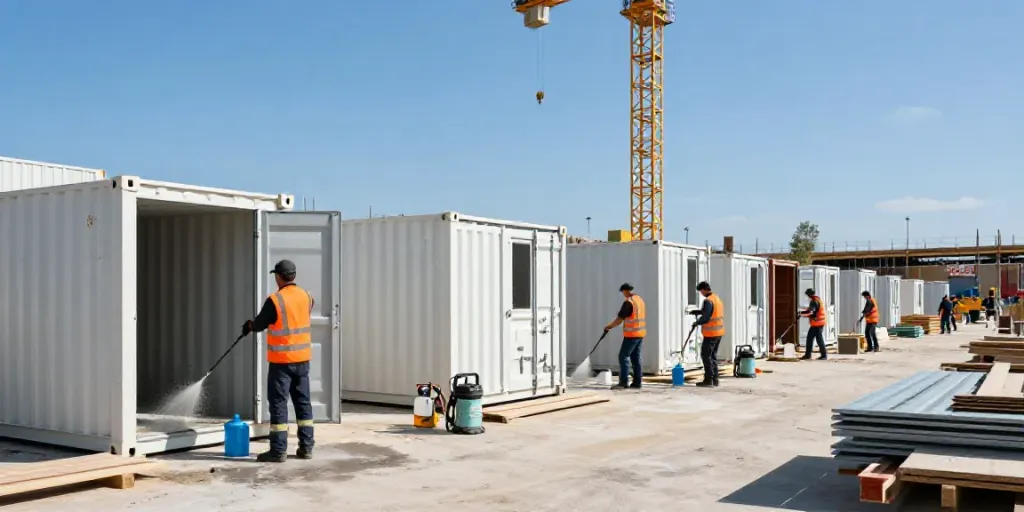
- Transportability: Built within standard shipping containers, these systems are easily transported and can be relocated as needed.
- Integrated Controls: Most units come with advanced monitoring and control systems to facilitate real-time performance tracking.
Environmental Benefits of Modular Wastewater Solutions
Containerized systems contribute positively to environmental sustainability by reducing the footprint of wastewater treatment processes. They minimize land use and can be deployed in remote areas without existing infrastructure. Furthermore, the systems are designed to efficiently handle various types of wastewater, including those with high organic loads, thereby protecting surrounding ecosystems from contamination.
Challenges in Containerized Wastewater Treatment
Common Misconceptions About Containerized Systems
One of the prevalent misconceptions about containerized wastewater treatment is that these systems are only suitable for small-scale operations. In reality, they can be designed to handle substantial volumes of wastewater, making them applicable for both small municipalities and large industrial facilities. Additionally, there is a belief that modular systems compromise on technology; however, this is far from the truth as many containerized solutions incorporate advanced treatment technologies comparable to traditional plants.
Operational Challenges and Their Solutions
Despite their advantages, containerized systems may face operational challenges such as inconsistent influent quality and fluctuating flow rates. To address these issues, it is crucial to implement robust pre-treatment processes that stabilize the wastewater characteristics before entering the treatment system. Additionally, regular maintenance and monitoring are vital to ensure optimal performance and compliance with regulatory standards.
Regulatory Compliance Issues to Consider
Containerized wastewater treatment systems must adhere to local and national regulations concerning wastewater discharge. Stakeholders should be aware of these regulations and ensure that the systems are designed with compliance in mind. Collaborating with regulatory agencies during the system planning phase can help identify potential challenges and ensure that all necessary permits are obtained.
Best Practices for Implementing Containerized Systems
Choosing the Right System for Your Needs
Selecting the appropriate containerized wastewater treatment system involves assessing factors such as wastewater type, volume, and specific treatment requirements. Engaging with experienced providers can help in understanding which technologies, such as activated sludge or membrane bioreactors, best fit the needs of the project. Customization is key; pre-engineered models can also be tailored to meet specific performance metrics.
Steps for Successful Deployment
Successful implementation of containerized systems requires a clear deployment strategy. Key steps include:
- Site Assessment: Conduct a thorough evaluation of the installation site to determine logistical requirements and ensure accessibility.
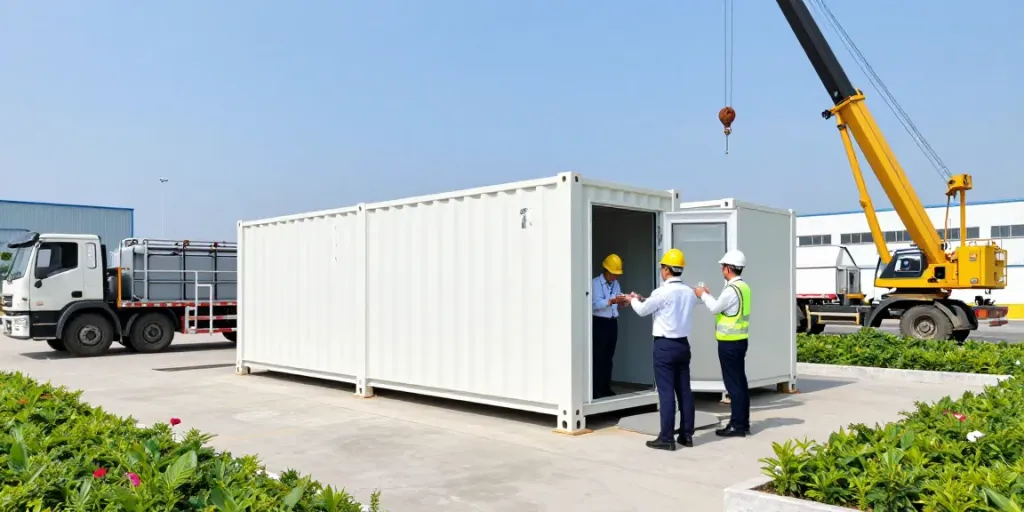
- Transport and Installation: Arrange for the transport of the containerized units, ensuring that the necessary equipment is available for unloading and set-up.
- System Calibration: Once installed, calibrate the system according to operational specifications and local regulations.
- Training of Personnel: Provide training for personnel responsible for operating and maintaining the treatment system.
Monitoring and Maintenance Essentials
Regular monitoring and maintenance of containerized wastewater treatment systems are essential to ensure effective operation and compliance. This includes routine checks on system performance, water quality analyses, and timely repairs or adjustments as needed. Implementing a comprehensive maintenance schedule can prolong the lifespan of the equipment and enhance treatment efficiency.
Evaluating Performance and Effectiveness
Key Performance Indicators for Wastewater Plants
To assess the effectiveness of containerized wastewater treatment systems, it is vital to establish key performance indicators (KPIs). Common KPIs include:
- Effluent quality parameters (BOD, COD, TSS)
- Energy consumption per unit of treated water
- Operational uptime and system reliability
- Compliance with local discharge regulations
Case Studies of Successful Implementations
Numerous case studies illustrate the successful implementation of containerized wastewater treatment systems. For instance, a modular system deployed in a remote construction site enabled the effective treatment of sewage, allowing the construction project to progress without delays due to water quality issues. Such case studies provide valuable insights into the practical benefits and adaptability of containerized systems across various settings.
Technology Trends in Wastewater Treatment for 2026
The wastewater treatment industry is experiencing significant technological advancements. Innovations such as smart sensors, automated monitoring systems, and the integration of artificial intelligence for predictive maintenance are becoming more prevalent. As we move toward 2026, these technologies are expected to enhance the efficiency and sustainability of containerized wastewater treatment systems.
Future Trends in Containerized Wastewater Treatment
Innovations Shaping the Industry
The future of containerized wastewater treatment is bright, with innovations driving improved performance and operational agility. Innovations include advanced membrane filtration technologies, enhanced disinfection methods, and integration of renewable energy sources to power treatment processes.
Predictions for 2026 and Beyond
Looking ahead, the global demand for containerized wastewater treatment solutions is set to increase, driven by urbanization and stricter environmental regulations. Companies must be prepared to adapt to these changes by investing in research and development to enhance system efficiency and comply with evolving standards.
Preparing for Changes in Regulatory Standards
As environmental regulations become more stringent, wastewater treatment providers must stay informed about potential changes in compliance requirements. Proactively adapting systems to meet future standards will not only ensure compliance but also enhance public trust and marketability of containerized solutions.
What are the benefits of containerized wastewater treatment?
Containerized wastewater treatment offers several benefits, including quick deployment, reduced land requirements, and the ability to treat varied wastewater types efficiently. These systems are also highly mobile, allowing for relocation as project needs change.
How do containerized systems compare to traditional treatment methods?
Containerized systems provide comparable treatment efficiencies to traditional methods, often with lower capital and operational costs. Their modular design allows for scalability and flexibility that traditional systems may not offer.
What are the installation requirements for containerized units?
Installing containerized wastewater treatment systems typically requires minimal site preparation. Basic infrastructure, such as a level surface for placement and access to utilities, is usually sufficient. Installation can often be completed in a matter of days.
How can containerized wastewater treatment be environmentally friendly?
Containerized systems utilize advanced treatment technologies that minimize environmental impact. They are designed to meet stringent discharge standards, thus protecting water bodies from pollution. Additionally, their compact footprint reduces land use compared to traditional treatment plants.
What factors impact the cost of containerized wastewater systems?
Several factors influence the cost of containerized wastewater treatment systems, including the complexity of treatment processes, shipping costs, installation requirements, and local regulatory compliance. Customization may also impact the initial investment, as tailored systems can provide better efficiency and adaptability.