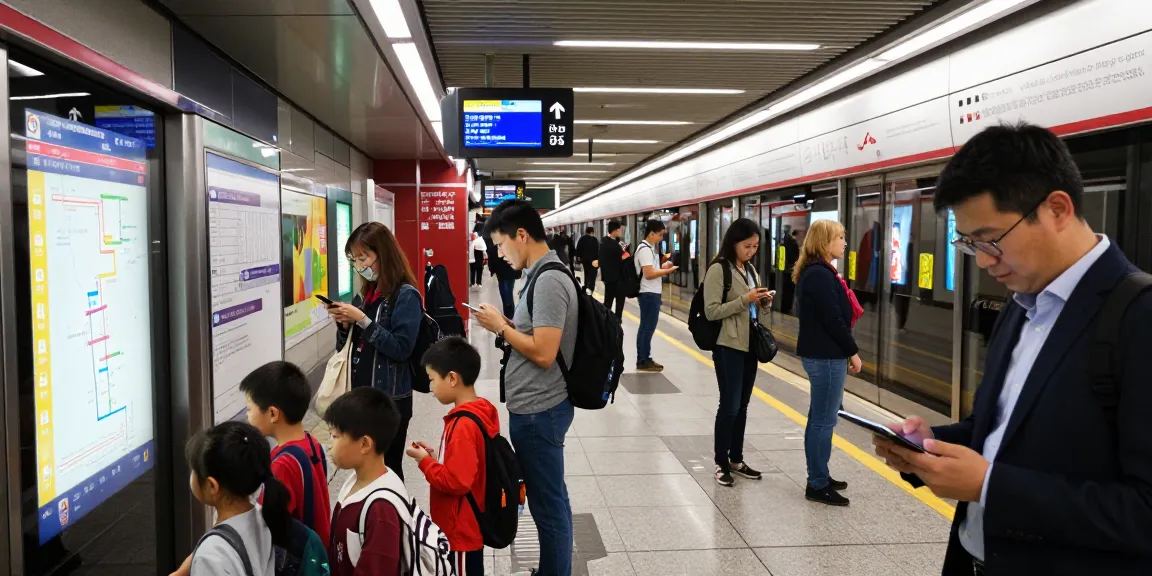
Understanding Subway Service Alerts
Subway service alerts are an essential component of the urban commuting landscape, providing real-time updates that ensure passengers are well informed about their journeys. In today's fast-paced world, the ability to receive immediate notifications about subway schedules, delays, and disruptions can significantly influence how commuters plan their daily routines. With the rise of mobile technology, accessing subway service alerts has become more convenient than ever, enabling travelers to make informed decisions at a moment's notice.
What Are Subway Service Alerts?
Subway service alerts are notifications issued by transit agencies to inform passengers about changes in subway operations. These alerts can cover a range of information, including delays, cancellations, service interruptions, or changes in train schedules. They are typically communicated through various channels such as mobile apps, websites, and digital signage at subway stations. The intent is straightforward: to provide commuters with timely and accurate information so they can adjust their travel plans accordingly.
The Importance of Real-Time Information
In the age of instant communication, real-time information has become a critical expectation among commuters. Real-time subway service alerts empower passengers to avoid unnecessary waiting and frustration. For instance, if a train is delayed due to unforeseen circumstances, knowing this information in advance allows travelers to explore alternative routes or modes of transportation. This kind of transparency enhances the overall efficiency of urban transit systems and ultimately contributes to a more pleasant commuting experience.
How Alerts Impact Daily Commuters
For many, the daily commute is a cornerstone part of life. Subway service alerts significantly impact how commuters approach their journeys. When alerts are accurate and timely, they lead to better planning and reduced anxiety. Passengers can make informed decisions based on the latest updates, which leads to increased satisfaction with the public transport system. Conversely, when alerts are delayed or inaccurate, they can lead to confusion and frustration among passengers, highlighting the need for reliable data transmission and management within transit agencies.
How Subway Service Alerts Work
Overview of GTFS-Realtime Data
The backbone of effective subway service alerts lies in the General Transit Feed Specification (GTFS) Realtime (GTFS-RT) data standard. This technology enables transit agencies to publish real-time updates about their services. GTFS-RT data includes trip updates, vehicle positions, and service alerts, which are essential for constructing an accurate real-time picture of subway operations. By utilizing this standardized format, agencies can efficiently integrate their data with third-party applications, enhancing accessibility for commuters.
Mechanics of Real-Time Tracking
Subway Today, for instance, utilizes GTFS-RT to pull live data from multiple transit agencies every 30 seconds. This continuous refresh provides users with direction-based arrival boards at each station, reflecting the most current service conditions. By analyzing trip updates and vehicle positions, the application can deliver precise arrival times and service notices, ensuring that users are armed with the latest information before they step out of their homes or offices.
Interpreting Service Notices Efficiently
Understanding subway service alerts requires some level of familiarity with how these notices are structured. Alerts typically contain key information such as the nature of the service disruption (e.g., maintenance, weather-related delays), affected lines, and the expected duration of the delay. Each alert is designed to be straightforward, but it can still be beneficial for passengers to familiarize themselves with the specific terminologies and formats used by their local transit agency to interpret these notices effectively.
Benefits of Using Subway Service Alerts
Improved Commute Planning
One of the most significant advantages of real-time subway service alerts is the enhancement of commute planning. Passengers who actively engage with these notifications are more likely to have a smoother travel experience. With accurate updates, they can select the best times to travel and are less likely to experience unexpected delays. This proactive planning can lead to increased productivity as commuters can allocate their time more effectively.
Enhanced Passenger Experience
Real-time alerts not only streamline the commuting process but also contribute to a more positive passenger experience overall. Knowing that they are receiving real-time feedback about their transit options allows travelers to feel more secure. This feeling of empowerment can improve overall satisfaction with the public transportation system, making it a more viable option for daily travel.
Reducing Anxiety During Travel
The uncertainty that often accompanies public transit can heighten anxiety among passengers, especially during rush hours or adverse weather conditions. By utilizing subway service alerts, commuters can mitigate this stress. Having immediate access to service updates reduces the fear of the unknown, allowing passengers to adapt to changing circumstances calmly. Such anxiety reduction is crucial in encouraging more people to utilize public transit rather than relying solely on personal vehicles.
Common Challenges with Subway Service Alerts
Misinterpretation of Alerts
Despite the advantages of subway service alerts, challenges persist. One significant concern is the misinterpretation of alerts by passengers. Different transit agencies may use varying terminologies or presentation formats, leading to confusion. It is essential for agencies to ensure clarity in their communications and educate passengers on how to understand these notifications effectively.
Technical Issues in Data Transmission
Another challenge faced by subway systems involves the reliability of data transmission. Interruptions in internet connectivity or server issues can lead to delays in updating service alerts. This technical hiccup can disrupt the flow of information, causing unnecessary frustration among commuters. Transit agencies must invest in robust technological infrastructures to minimize these risks and enhance reliability.
Coping with Service Updates and Delays
Lastly, passengers often struggle to cope with the frequency of service updates and delays, particularly during peak travel times. During such periods, having to process numerous alerts can be overwhelming. Thus, transit authorities must strive to prioritize alert information to deliver the most critical updates first, making it easier for passengers to discern which notifications matter most for their travel plans.
Future Trends in Subway Service Alerts
Innovations in Real-Time Tracking for 2026
As we look towards 2026, innovations in real-time tracking and subway service alerts are expected to evolve dramatically. Artificial intelligence and machine learning will likely play significant roles in processing transit data, enabling agencies to anticipate service disruptions before they occur. This proactive approach will enhance the accuracy and reliability of alerts, transforming the way passengers experience public transit.
Integration with Other Transit Systems
Future developments will also see a greater integration of subway service alerts with other transportation options, such as buses, light rail, and ridesharing services. This holistic approach to urban transit will create a seamless travel experience, where alerts provide interconnected updates across various modes of transportation. Passengers will benefit from coordinated service alerts that help them navigate their entire journey more effectively.
Passenger-Centric Technology Developments
The focus on passenger-centric technology will continue to shape the landscape of subway service alerts. Innovations such as personalized alert systems, where users can choose to receive notifications tailored to their specific routes or preferred modes of transport, will likely emerge. This level of customization ensures that commuters receive the most relevant information, enhancing their overall engagement with public transportation.
What are the key features of subway service alerts?
The key features of subway service alerts typically include live updates on train schedules, notifications of delays or service outages, and estimated arrival times at specific stations. Additionally, alerts may feature links to further information, enabling commuters to explore their travel options comprehensively.
How can I optimize my commute using these alerts?
To optimize your commute using subway service alerts, stay informed by regularly checking updates through official transit apps or websites. Set up notifications on your devices to receive alerts that are pertinent to your daily travel routes. By actively engaging with these resources, you can adapt your travel plans proactively, minimizing potential delays.
What technologies support subway service alerts?
Subway service alerts are supported by a combination of technologies, including GTFS-Realtime data feeds, mobile applications, and integrated transit management systems. These systems work together to provide real-time information and ensure that passengers receive timely updates on changes affecting their travel plans.
Are there any apps for tracking subway service alerts?
Yes, several apps are specifically designed to track subway service alerts. Many transit agencies offer their own mobile applications that provide live updates, while third-party apps aggregate this information for broader accessibility. Users can choose apps that best meet their preferences for features, usability, and real-time information accuracy.
How will subway service alerts evolve in the future?
In the future, subway service alerts will likely evolve through the incorporation of advanced technologies like artificial intelligence, data analytics, and increased integration with other transportation systems. This evolution will enhance the accuracy, timeliness, and relevance of alerts, ultimately leading to a more seamless and user-friendly commuting experience.