Understanding the Importance of a Dedicated Learning Space
Creating an effective learning environment is fundamental to fostering knowledge acquisition and retention. In today's fast-paced and distraction-heavy world, having a dedicated space for learning is more critical than ever. This space not only enhances focus but also motivates learners to engage more deeply with their material. Whether you are a student juggling various subjects or a professional seeking to upskill, understanding how to optimize your learning environment can significantly impact your educational outcomes. For those looking to explore comprehensive insights into effective learning setups, learn more here.
Why a Learning Environment Matters
A dedicated learning space serves multiple purposes; it provides a physical realm free from distractions and creates an atmosphere conducive to concentration. Ergonomics plays a pivotal role as well: the right furniture, lighting, and layout can enhance comfort and productivity. These factors contribute to a learner's ability to absorb information, apply knowledge, and ultimately perform better academically or professionally.
Common Misconceptions About Learning Spaces
One common misconception is that a designated learning space is only necessary for students. In reality, professionals and lifelong learners also benefit immensely from having a space tailored to their educational pursuits. Another myth is that the size of the space matters; however, even a small corner or nook can be transformed into an effective study sanctuary with the right strategies and elements.
Best Practices for Creating Your Ideal Study Area
- Designate a Quiet Area: Choose an area in your home or office that is as quiet as possible, away from high-traffic zones.
- Invest in Ergonomic Furniture: Prioritize a comfortable chair and desk that promote good posture.
- Customize Ambiance: Use colors and decor that inspire and motivate you; some people thrive in minimalist spaces, while others prefer vibrant atmospheres.
- Control Lighting: Utilize natural light when possible, and supplement with adjustable task lighting to reduce eye strain.
Essential Components of an Effective Learning Environment
Furniture and Layout for Comfort and Focus
The furniture you choose significantly influences your comfort and focus during study sessions. A well-structured layout involves placing your desk in a position that minimizes distractions while maximizing your ability to concentrate. Make sure that all essential items are within arm's reach to reduce unnecessary movement, which can break your focus. Incorporating adjustable furniture can also cater to your specific needs, enhancing your learning experience.
Technology Tools to Enhance Learning
In the digital age, technology is an integral part of any effective learning environment. Tools such as tablets, laptops, and smart boards can enhance interactivity and make learning more engaging. Consider software that facilitates collaboration, time management, or note-taking, as these resources help streamline your study process. It’s essential to keep your tech organized and updated to ensure that you can harness its full potential.
Decor and Ambiance That Inspire Creativity
The decor of your learning space should resonate with your personal style and inspire creativity. Incorporate items such as motivational quotes, artwork, or plants that can uplift your mood and productivity. Additionally, consider auditory elements—soothing background music or white noise can sometimes aid concentration, while silence may be preferable for others. Test various setups until you find the perfect balance for your individual learning style.
Strategies for Maximizing Learning in Your Space
Incorporating Collaborative Elements for Group Learning
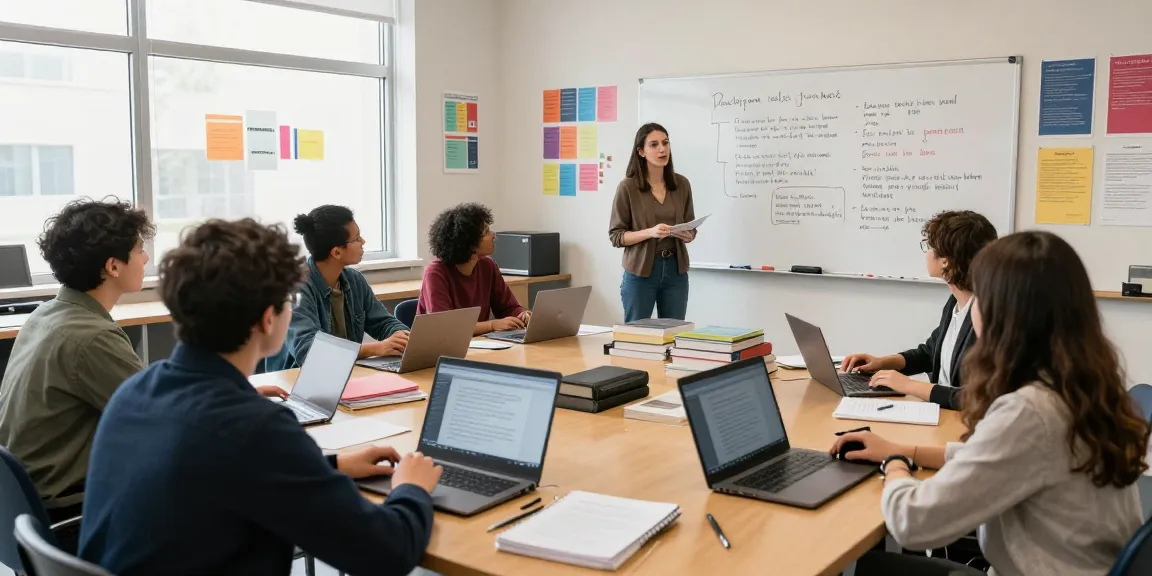
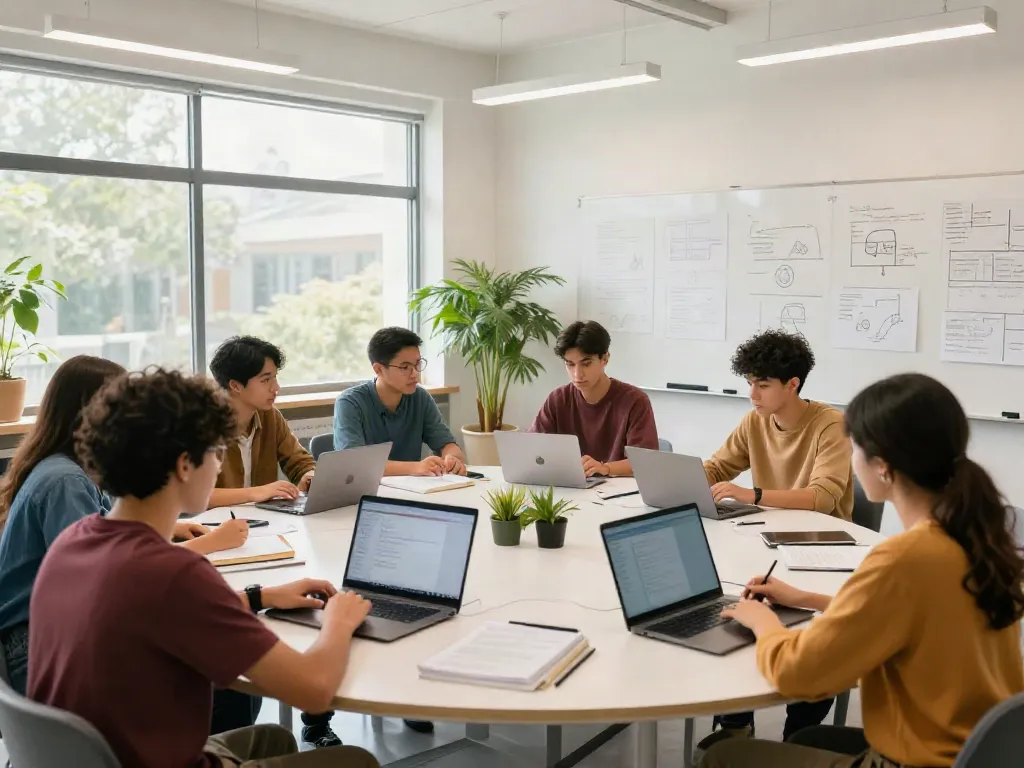
If you’re studying with peers, consider designing your learning space to accommodate group interactions. This can involve a larger table, seating arrangements that facilitate discussion, and technology that supports collaborative tools. Think about using video conferencing tools for remote collaboration, ensuring that your space can adapt to various learning contexts.
Personalizing Your Space for Motivation
Personalization is key to maintaining motivation. Your study area should reflect your interests and goals. By incorporating items that inspire you, such as books, academic awards, or personal mementos, you create a space that motivates you to learn. Additionally, setting specific learning goals and displaying them in your workspace can serve as constant reminders of what you're aiming to achieve.
Time Management Techniques to Stay Productive
Effective time management is indispensable in maximizing learning outcomes. Techniques such as the Pomodoro Technique, where you study in short bursts followed by short breaks, can significantly enhance focus. Implementing a clear schedule that designates specific times for study can help maintain discipline and ensure that you make the most of your dedicated learning space.
Identifying and Overcoming Common Learning Challenges
Distractions and How to Minimize Them
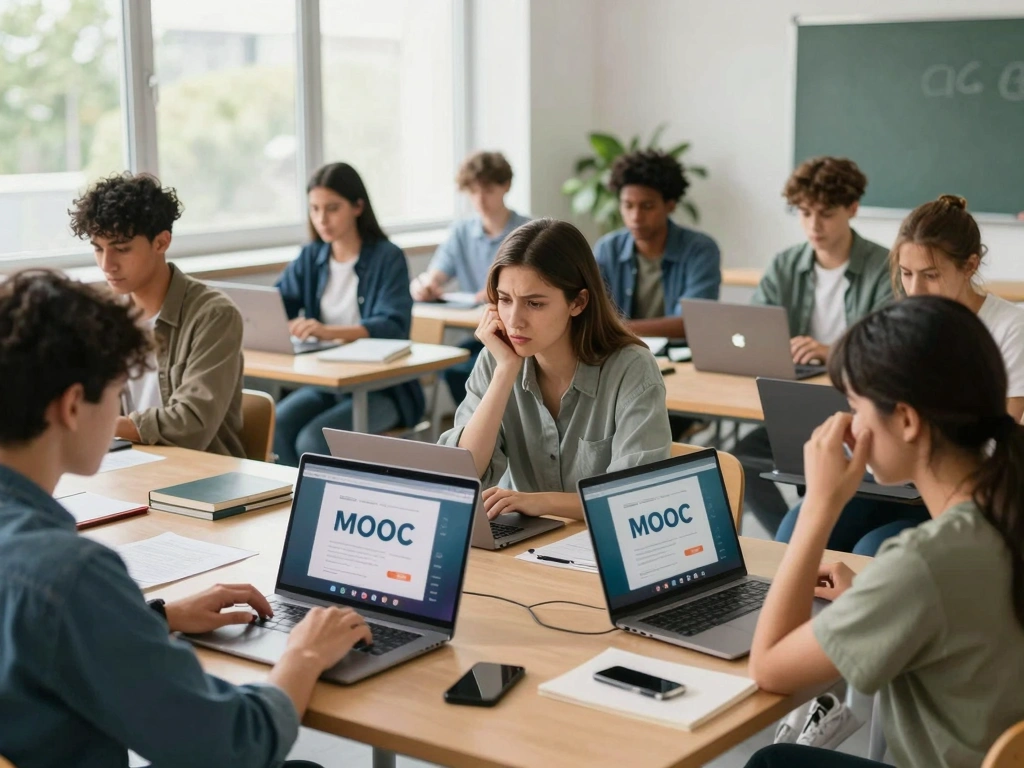
Distractions can severely impact your ability to learn effectively. To minimize them, consider using noise-canceling headphones and establishing clear boundaries with those around you. Additionally, remove digital distractions by keeping your phone or non-essential gadgets out of your designated study area during focused learning sessions.
Addressing Procrastination in Study Sessions
Procrastination is a common hurdle for many learners. Address this challenge by breaking tasks down into smaller, more manageable parts. Set deadlines for each part and hold yourself accountable. Establish a reward system for when you complete these tasks to create positive associations with studying.
Finding Resources to Supplement Your Learning Journey
Your learning space should also serve as a hub for various resources. Utilize libraries, online courses, and educational platforms that can provide supplemental materials. Familiarizing yourself with these resources can create a more robust learning experience, making it easier to gather information and improve comprehension.
Future Trends in Learning Environments for 2026 and Beyond
Technological Advancements Shaping Learning Spaces
Emerging technologies, such as virtual and augmented reality, are paving the way for innovative learning environments. These advancements allow for immersive learning experiences that can cater to various learning styles. As these technologies become more accessible, we can expect them to play a significant role in how we approach both individual and collaborative learning.
Flexible Learning Modalities for Diverse Needs
The future of learning environments will focus on flexibility that accommodates diverse needs and learning styles. As remote and hybrid learning models continue to evolve, it is essential to create adaptable spaces that support these modalities. This may involve incorporating mobile furniture that can be easily reconfigured or using versatile technology that supports various forms of learning interactions.
The Role of Sustainability in Future Learning Environments
As we move towards a more sustainable future, eco-friendly design will become increasingly important in learning environments. This shift may include the use of recycled materials, energy-efficient technologies, and natural lighting solutions that enhance the learning experience while minimizing environmental impact. Educators and learners alike will benefit from environments that prioritize sustainability alongside effectiveness.
How can I learn more?
For learners eager to expand their knowledge and skills, numerous resources are available. From online courses to interactive workshops, the opportunities for learning are vast. Engage in communities that foster continuous learning and seek out mentorship to deepen your understanding and capabilities.
What are effective study tips for students?
Effective study tips include creating study schedules, utilizing active recall techniques, and employing spaced repetition. Practice these techniques in your dedicated learning space to optimize retention and understanding of the material.
Are collaborative learning environments beneficial?
Yes, collaborative learning environments promote deeper understanding through shared knowledge. They encourage peer support and diverse perspectives, making the learning process more dynamic and enriching.
What technology should I include in my learning space?
Incorporate devices such as laptops, tablets, and smart boards, as well as educational software that enhances interaction and learning. Consider tools designed for productivity and organization to streamline your study process.
How to stay motivated while studying?
Staying motivated can be achieved by setting clear goals, personalizing your learning space, and incorporating rewards for completed tasks. Surround yourself with supportive peers and mentors who can encourage your educational journey.