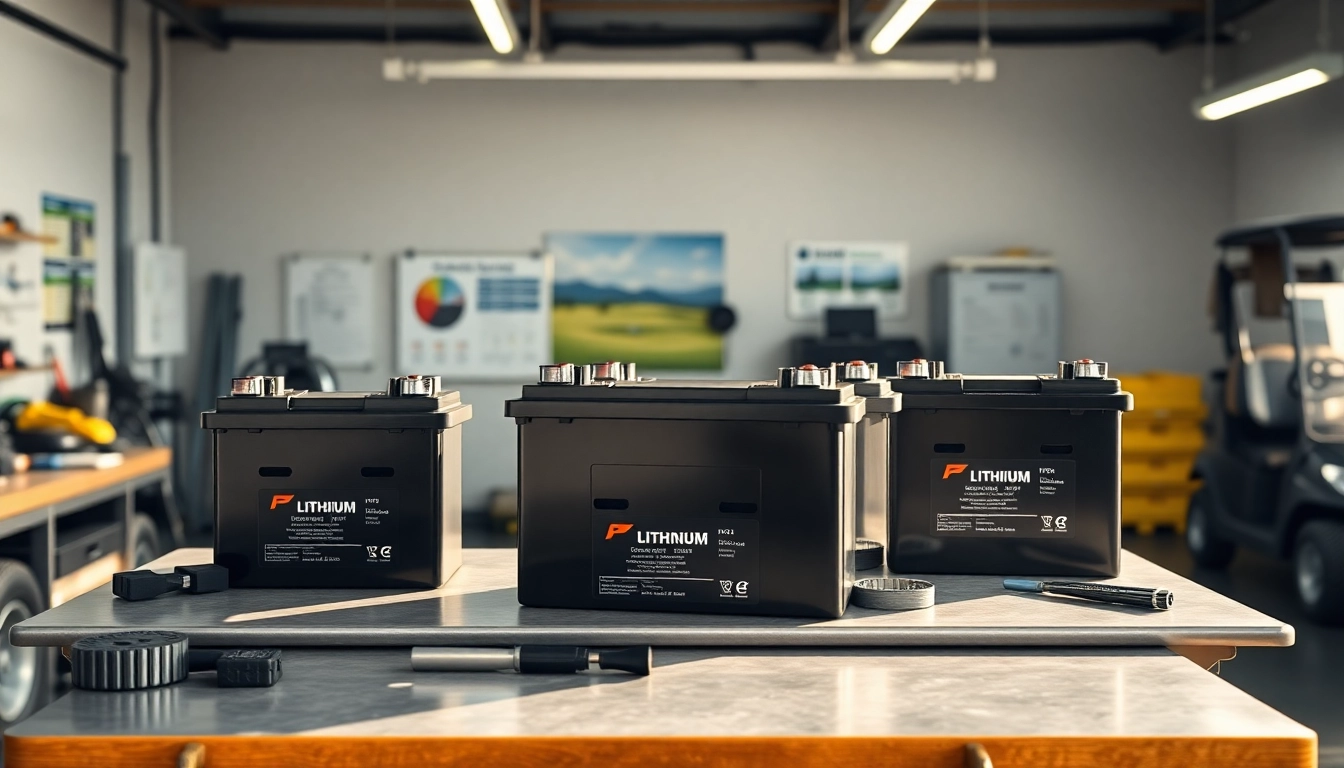
Understanding Lithium Golf Cart Batteries
What Are Lithium Golf Cart Batteries?
Lithium golf cart batteries are advanced energy storage solutions designed specifically for electric golf carts. These batteries utilize lithium-ion or lithium iron phosphate (LiFePO4) technology, which makes them significantly lighter and more efficient than traditional lead-acid batteries. They offer better performance, greater longevity, and enhanced safety features, making them an increasingly popular choice among golf cart owners.
Benefits of Using Lithium Golf Cart Batteries
The transition to lithium golf cart batteries has been driven by a multitude of benefits:
- Longer Lifespan: Lithium batteries can last up to 5,000 cycles, far surpassing the lifespan of conventional lead-acid batteries, which typically last only 400-600 cycles.
- Weight Efficiency: They are significantly lighter than lead-acid batteries, leading to improved maneuverability and efficiency in golf carts.
- Faster Charging: Lithium batteries can recharge much faster than traditional batteries, allowing golfers to spend more time on the course and less time waiting for a charge.
- Lower Maintenance: Unlike lead-acid batteries, lithium batteries do not require watering or equalization charges, simplifying upkeep.
- Environmental Friendliness: Lithium batteries are recyclable and contain fewer toxic materials than their lead-acid counterparts, making them a more sustainable choice.
Common Applications of Lithium Golf Cart Batteries
Lithium golf cart batteries are primarily utilized in various electric golf carts, but their application extends beyond golf. They are commonly used in:
- Electric Vehicles: Many electric personal transportation vehicles, including scooters and bicycles, now incorporate lithium technology for better performance.
- Off-Road Vehicles: They are suitable for all-terrain vehicles (ATVs) and utility task vehicles (UTVs), owing to their durability and power.
- Commercial Uses: Businesses that utilize electric carts for warehouse operations or remote site management are increasingly adopting lithium batteries for their efficiency and reliability.
Choosing the Right Lithium Golf Cart Batteries
Factors to Consider When Buying
When selecting lithium golf cart batteries, several factors should be considered:
- Capacity: Measured in amp-hours (Ah), capacity indicates how much energy the battery can store and deliver. Higher capacity means longer run times.
- Voltage: Ensure that the battery's voltage matches the requirements of your golf cart, commonly either 36V or 48V.
- Brand Reputation: Opt for batteries from trusted manufacturers known for quality and durability.
- Warranty: A solid warranty can reflect the manufacturer's confidence in their product and offer peace of mind.
Comparing Lithium Golf Cart Batteries Options
Not all lithium batteries are created equal. Conduct a thorough comparison of available options, keeping in mind the features that matter most to you:
- Weight and Size: Smaller and lighter batteries will reduce the overall weight of your golf cart and improve performance.
- Discharge Rate: Look for batteries that offer a high discharge rate without compromising battery life.
- Brand Reviews: Check online reviews and testimonials to gauge performance and reliability.
Understanding Voltage Requirements
Every golf cart operates on a specific voltage system. Identifying whether your cart requires a 36V or 48V battery is critical to compatibility:
- 36V Systems: These are typically found in lighter, less powerful carts and can accommodate smaller battery packs.
- 48V Systems: More powerful carts usually run on 48 volts, allowing for increased speed and distance. Ensure that your battery matches this requirement for optimal performance.
Installation and Maintenance of Lithium Golf Cart Batteries
Installation Steps for Lithium Golf Cart Batteries
Installing Vatrer Power golf cart batteries can be straightforward. Follow these steps to ensure a proper installation:
- Deactivate your cart: Turn off the power and unplug your golf cart from any charging sources.
- Remove the existing battery: Safely disconnect and remove the old lead-acid batteries, keeping note of connections.
- Position the lithium battery: Place the new lithium battery in the same compartment, ensuring it fits snugly.
- Make connections: Connect the positive and negative terminals correctly using the same configuration as before.
- Secure the battery: Ensure the battery is secured in place before powering on your cart.
Maintenance Tips for Longevity
To maximize the life span of your lithium golf cart batteries, adhere to the following maintenance tips:
- Check Connections: Regularly inspect the battery connections for corrosion and secure fittings.
- Temperature Management: Avoid exposing the battery to extreme temperatures, which can impact performance.
- Charging Habits: Always charge the battery according to the manufacturer's guidelines. Overcharging can reduce battery life.
Signs of Battery Failure and How to Respond
Being aware of potential signs of battery failure can help you address issues before they become significant problems:
- Reduced Runtime: If your golf cart isn't lasting as long between charges, it may signal battery wear.
- Swelling or Unusual Sounds: Physical signs of damage should not be ignored; these require immediate attention.
- Inconsistent Performance: Sudden drops in speed or power can indicate an underlying issue with the battery.
Charging and Usage of Lithium Golf Cart Batteries
Best Practices for Charging
To ensure optimal performance and longevity of your 48V 105Ah Lithium Battery, adhere to these charging best practices:
- Avoid Overcharging: Disconnect the charger once the battery reaches full capacity to prevent damage.
- Temperature Considerations: Charge in moderate temperatures. Cold temperatures can affect charging efficiency.
- Regular Charging: Make charging a routine practice rather than waiting until the battery is critically low.
Optimizing Usage for Maximum Performance
To get the most from your lithium batteries during usage:
- Plan Your Routes: Knowing the layout of your course or terrain will help in conserving battery life.
- Lighten Load: Keep your cart free of unnecessary items, reducing the overall weight and energy draw.
- Monitor Battery Health: Regularly check voltage levels using a battery management system to avoid deeper discharges.
Safety Considerations While Charging
Safety is a crucial aspect of handling lithium golf cart batteries:
- Fire Safety: Store and charge batteries in a cool, dry place away from flammable materials.
- Damage Inspection: Inspect batteries regularly for signs of damage that could pose safety risks during charging.
- Use Recommended Chargers: Always use chargers specifically designed for lithium batteries to avoid hazards.
Frequently Asked Questions about Lithium Golf Cart Batteries
How long do lithium golf cart batteries last?
Lithium golf cart batteries typically last between 3,000 to 5,000 cycles, depending on usage and maintenance.
Can you charge lithium golf cart batteries in cold weather?
Charging in cold weather is not recommended. It's best to charge lithium batteries when temperatures are above freezing.
What makes lithium batteries better than lead-acid batteries?
Lithium batteries offer longer lifespans, faster charging times, reduced weight, and lower maintenance compared to lead-acid batteries.
Are lithium golf cart batteries safe to use?
Yes, they are safe when used according to manufacturer guidelines and properly maintained. They are also less prone to leaks and explosions.
How do I maintain my lithium golf cart batteries?
Regularly inspect connections, avoid extreme temperatures, and charge according to guidelines to ensure longevity and performance.