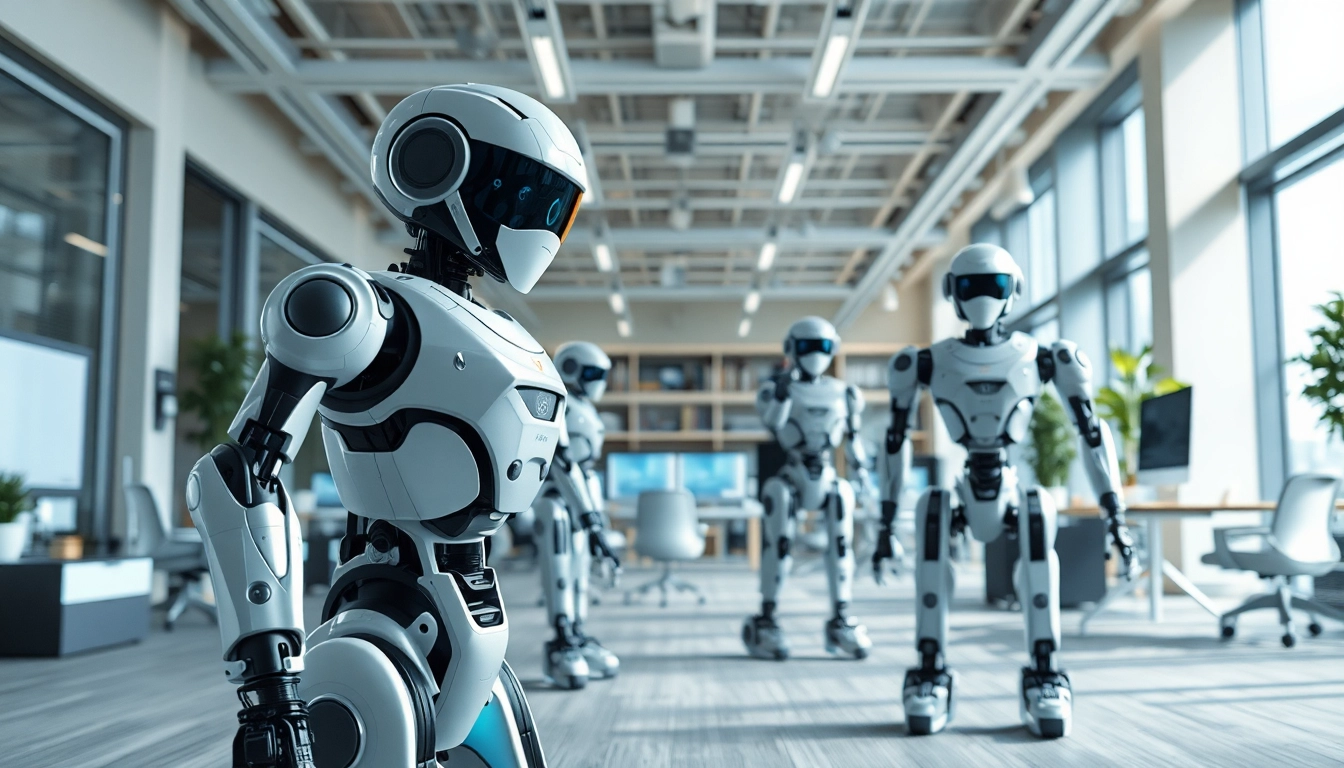
Understanding Ai Bots and Their Functionality
What are Ai Bots?
Ai Bots, short for artificial intelligence robots, are software applications designed to automate tasks that historically required human intelligence. These sophisticated tools utilize advanced algorithms and machine learning technology to perform functions ranging from answering customer inquiries to analyzing complex datasets. In essence, Ai Bots mimic cognitive processes such as understanding language, problem-solving, and learning from experiences. By deploying Ai Bots, organizations can enhance efficiency while reducing operational costs.
How Ai Bots Work
At their core, Ai Bots operate through a combination of machine learning, natural language processing (NLP), and data analytics. They receive input from users—whether it's a spoken command or typed query—analyze the information, and provide appropriate responses based on vast datasets and programmed algorithms. This interaction is facilitated via two primary components:
- Front-End Interface: This could be a chat window, voice assistant, or any platform through which users interact with the Ai Bot.
- Back-End Processing: Equipped with data processing capabilities and AI models, this component interprets user inputs and provides accurate responses.
Furthermore, over time, Ai Bots learn and adapt their responses based on user interactions, continuously improving their accuracy and relevance.
The Benefits of Using Ai Bots
Integrating Ai Bots into business workflows offers several advantages:
- Increased Efficiency: Ai Bots can handle multiple inquiries simultaneously without exhaustion, vastly improving response times.
- Cost Savings: By automating repetitive tasks, companies can reduce labor costs, allowing for that workforce to focus on more strategic areas.
- 24/7 Availability: Ai Bots provide round-the-clock service, ensuring customer inquiries are addressed anytime without delay.
- Personalization: With capabilities to analyze user behavior, Ai Bots can offer tailored suggestions and experiences, which can significantly enhance customer satisfaction.
Applications of Ai Bots Across Industries
Ai Bots in Customer Service
One of the most popular applications for Ai Bots is in customer service. These bots can handle initial inquiries, execute transactions, and provide personalized assistance—all crucial for enhancing customer experience. By utilizing Ai Bots, businesses can manage high volumes of queries effectively, ensuring prompt service and resolution of issues. For instance, many organizations have implemented chatbots on their websites to facilitate instant communication, thereby improving response times and overall customer satisfaction.
Ai Bots in Data Management
Data management is another field where Ai Bots have made significant inroads. Through intelligent algorithms, Ai Bots can collect, analyze, and interpret vast amounts of data with remarkable accuracy. This ensures that organizations can make informed decisions based on real-time insights. For instance, Ai Bots can automate the process of data entry, verification, and reporting, striking a balance between speed and accuracy, reducing human error in the process.
Ai Bots in Marketing
In the marketing landscape, Ai Bots are capable of segmenting audiences and tailoring personalized marketing strategies to improve conversion rates. By analyzing user behavior and preferences, these bots can deliver precise advertisements and communications, enhancing the likelihood of engagement and sales. Additionally, Ai Bots can manage routine marketing tasks, such as email campaigns and social media interactions, freeing marketers to concentrate on creative strategies and analytics.
Challenges and Considerations in Implementing Ai Bots
Common Pitfalls to Avoid
While the benefits of Ai Bots are substantial, organizations must be aware of potential pitfalls. Over-reliance on Ai Bots can lead to a disengaged customer base; customers may prefer human interaction for more complex inquiries. Another common mistake is neglecting the training aspect. Without proper data and context, Ai Bots may fail to deliver appropriate responses, undermining their effectiveness. Investing time in preparation and continuous learning is essential for achieving seamless Ai Bot performance.
Ensuring Data Security with Ai Bots
Data security remains a top concern for organizations utilizing Ai Bots. Given that these bots manage sensitive information, businesses must implement robust security protocols to protect data from unauthorized access. Encryption, regular system audits, and compliance with data protection regulations play critical roles in safeguarding customer information. Organizations should also consider the implications of machine learning algorithms that store and utilize data in ways that could pose security risks.
Integrating Ai Bots into Existing Systems
Integration is another crucial consideration. Companies often use existing customer relationship management (CRM) tools and databases, meaning that Ai Bots must be compatible with these systems to deliver their potential fully. In this context, organizations need to execute a thorough review of their technological infrastructure, identifying areas for integration while ensuring minimal disruption during the transition phase. Collaboration among IT, digital transformation teams, and other stakeholders is imperative to ensure a smooth integration process.
Best Practices for Maximizing Ai Bots Efficiency
Training and Customization Strategies
To optimize the performance of Ai Bots, regular training and customization are essential. Organizations should continuously update the bots' knowledge base to incorporate new information, customer feedback, and evolving industry trends. A tailored approach allows Ai Bots to resonate more effectively with users, enhancing engagement and satisfaction. Furthermore, training with diverse datasets can help minimize bias in responses, ensuring fairness and accuracy in customer interactions.
Monitoring and Evaluating Performance
Constant monitoring of Ai Bot performance is critical for identifying issues and opportunities for improvement. Key performance indicators (KPIs) such as response time, customer satisfaction, and resolution rates should be regularly reviewed. Feedback loops can help capture user experiences and provide insights into areas of enhancement. Employing analytical tools that track these metrics will assist in evaluating data effectively and making informed adjustments.
Enhancing User Experience with Ai Bots
The user experience should be at the forefront of Ai Bot deployment. Providing intuitive interfaces, incorporating multimedia elements, and allowing easy navigation will help engage users effectively. Additionally, creating fallback mechanisms—where visitors can seamlessly transition to human agents when queries become complex—ensures customer needs are met without frustration. Regularly updating the interface based on user feedback is also vital for maintaining relevance and satisfaction.
Future Trends in Ai Bots Technology
Advancements in Machine Learning
As machine learning algorithms continue to evolve, so too will Ai Bots. Future advancements may enable these bots to process language more naturally, understanding context, tone, and sentiment more effectively. The integration of deep learning will also result in Ai Bots that can learn and adapt autonomously based on user interactions, leading to even greater personalization and relevance in responses.
The Role of Ai Bots in Automation
The trend towards comprehensive automation will increasingly include Ai Bots. As businesses strive for efficiency, Ai Bots will play a pivotal role in automating workflows that eliminate manual processes. Whether it's automating customer interactions or managing supply chains, the future will likely see Ai Bots seamlessly integrated into every aspect of operations. This shift will enhance productivity and reduce operational costs significantly.
Predicted Industry Changes for Ai Bots
Industries can expect significant changes due to the adoption of Ai Bots. Organizations may shift from traditional methods toward more agile, digitally-oriented operations build around Ai capabilities. Additionally, we can foresee a rise in hybrid models blending automated and human interactions, maximizing the advantages of both approaches while mitigating their limitations. As Ai Bots become more sophisticated, businesses must leverage these tools to maintain competitiveness and responsiveness in an ever-evolving marketplace.
FAQs
What are Ai Bots used for?
Ai Bots are utilized in numerous areas, including customer service, data processing, and automation. They enhance operational efficiency and provide 24/7 support.
How do I choose the right Ai Bot for my business?
Consider your specific needs, budget, and the complexity required; conduct extensive research to select a bot that aligns with your objectives and systems.
Can Ai Bots enhance customer experience?
Yes, Ai Bots can provide quick responses and personalized interactions, significantly improving customer satisfaction by addressing inquiries effectively.
Are Ai Bots secure?
While Ai Bots can be secure, it is essential to implement proper data protection measures and regularly update systems to safeguard sensitive information.
What is the future of Ai Bots?
The future of Ai Bots includes deeper integration with automation technologies and increased learning capabilities, resulting in more efficient and responsive solutions.