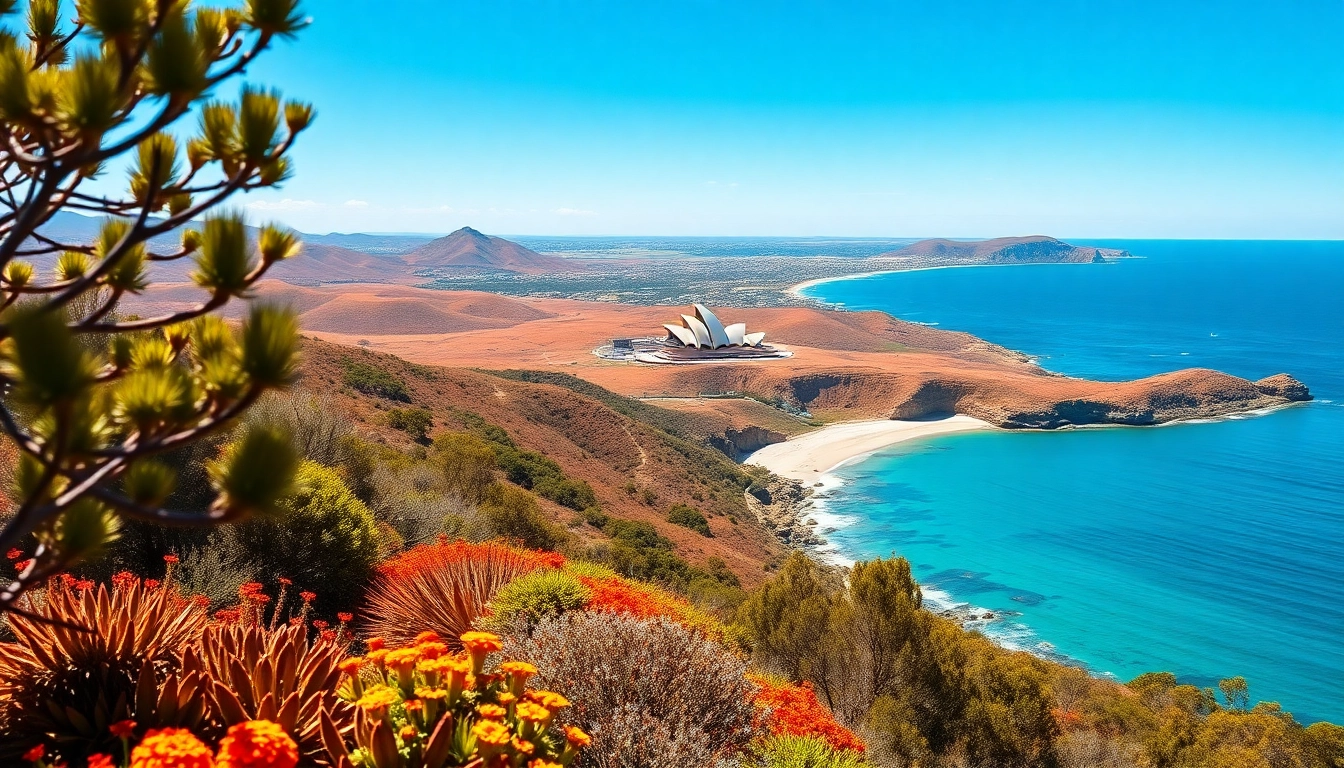
A Brief Overview of Australia
Australia, known for its vast landscapes, diverse wildlife, and vibrant culture, is a country that captivates the imagination of many. Positioned between the Indian and Pacific Oceans, it is both a continent and a country, making it unique on a global scale. Home to a multicultural society and rich indigenous history, Australia offers a diverse tapestry of experiences ranging from bustling cities to serene natural landscapes.
Geographical Features of Australia
The geographical composition of Australia is as varied as its inhabitants. As the world’s largest island and the smallest continent, Australia's landmass is remarkable. Stretching over 7.7 million square kilometers, it features coastal plains, mountain ranges, deserts, and rainforests. The Great Dividing Range, for example, runs along the eastern coast and acts as a natural barrier that influences both climate and ecosystems.
Moreover, Australia is famous for its stunning coastlines, with over 25,000 kilometers of coastline that supports some of the most beautiful beaches in the world. The Great Barrier Reef, located off the coast of Queensland, is the largest coral reef system globally, showcasing a diverse marine life that attracts millions of tourists each year.
Climate and Biodiversity in Australia
Australia's climate ranges from arid to tropical, allowing for a unique range of ecosystems to flourish. The continent experiences four distinct seasons, with temperate areas in the south and tropical climates in the north. Rainfall patterns vary considerably, with the western regions being significantly drier than those in the east.
Australia's biodiversity is world-renowned, ranking among the richest in the world. It is home to more than one million species, many of which cannot be found anywhere else on Earth. From kangaroos to platypuses, the unique fauna is matched by stunning flora that includes eucalyptus forests and native wildflowers. Conservation efforts are crucial to preserving these habitats, as many species are endangered due to habitat loss and climate change.
Significant Historical Context of Australia
The history of Australia is a reflection of its diverse cultures and peoples. Indigenous Australians, the world's oldest living cultures, have inhabited the continent for over 65,000 years, with rich traditions and connections to the land. Their history and culture remain significant in contemporary Australia, with ongoing efforts to acknowledge and celebrate this heritage.
European exploration began in the 17th century, but it was not until 1788 that the British established a penal colony in Sydney Cove. This marked the start of significant changes in the land and its indigenous populations, and the European settlement led to profound cultural and social transformations. Today, the Commonwealth of Australia stands as a testament to both its indigenous roots and its colonial past.
Top Travel Destinations in Australia
Famous Cities: Sydney, Melbourne, and More
When it comes to urban exploration, Australia boasts some of the most dynamic and picturesque cities. Sydney, known for its iconic Opera House and Harbour Bridge, is a melting pot of cultures that offers a blend of modern sophistication and historic charm. Its stunning beaches, like Bondi and Manly, are hotspots for both locals and tourists.
Melbourne, often referred to as the cultural capital, is famous for its arts scene, coffee culture, and vibrant street art. The city's laneways are filled with boutiques, galleries, and world-class restaurants. Furthermore, cities like Brisbane, Adelaide, and Perth each offer their unique attractions and local flavors, making Australia an enticing destination for urban explorers.
Natural Wonders: Great Barrier Reef and Uluru
Australia’s natural wonders are among the most breathtaking in the world. The Great Barrier Reef is a UNESCO World Heritage site and a paradise for divers and snorkelers, showcasing vibrant coral cays and an abundance of marine life. Efforts to preserve this natural jewel are crucial as climate change threatens its future.
Uluru (Ayers Rock), a massive sandstone monolith in the heart of the Northern Territory, is an iconic symbol of the Australian outback. It holds deep spiritual significance for the Anangu people, the traditional owners of the land. Visitors can experience cultural tours, guided walks, and the mesmerizing sunrise or sunset over this sacred site.
Unique Cultural Sites Across Australia
Australia is filled with cultural sites that tell the story of its rich heritage. The Sydney Opera House, an architectural marvel, hosts numerous performances that showcase local talent and international acts alike. The National Gallery of Australia in Canberra houses an impressive collection of Australian and indigenous art, serving as a reminder of the country’s creative history.
Complementing these urban attractions are UNESCO World Heritage sites such as the Tasmanian Wilderness and the Gondwana Rainforests. These sites not only highlight Australia’s natural beauty but also its significance in world heritage and conservation efforts.
Cultural Elements of Australia
Indigenous Heritage of Australia
The indigenous cultures of Australia are characterized by deep connections to the land, spirituality, and a rich oral tradition. They represent diverse languages and lifestyles, with various Indigenous groups such as the Aboriginal peoples and Torres Strait Islanders. Dreamtime stories, art, and music connect these cultures to the land, exemplifying a profound reverence for nature.
Efforts to acknowledge and integrate indigenous heritage into Australian society are growing. Educational programs, cultural festivals, and recognition of land rights highlight the importance of preserving this invaluable cultural wealth.
Modern Australian Society and Lifestyle
Modern Australian society is known for its inclusivity and multiculturalism, shaped by waves of immigration from around the world. With a reputation for friendliness and hospitality, Australia provides a relaxed yet vibrant lifestyle. Major cities are hubs of activity, offering various activities from outdoor adventures to food festivals.
The importance of outdoor living is evident in Australians' love for sports, particularly cricket, rugby, and Australian Rules football. Social activities often revolve around barbecues, beach outings, and various public holidays that celebrate the nation’s cultural diversity.
Culinary Traditions and Regional Dishes of Australia
The culinary landscape of Australia reflects the country’s multiculturalism and rich agricultural heritage. Signature dishes often feature fresh, local ingredients, with an emphasis on seafood due to Australia’s extensive coastline. The famed Vegemite spread, meat pies, and pavlova are among the quintessential tastes of Australia.
In addition to local specialties, the influence of Asian and other international cuisines is prevalent, especially in urban areas. Food markets and culinary festivals celebrate this fusion, showcasing the rich culinary diversity that thrives in Australia.
Understanding Australia's Economy
Key Industries Driving Australia’s Economy
Australia's economy is one of the largest and most advanced in the world, characterized by its wealth of natural resources, strong service sector, and stable government. Key industries include mining, agriculture, and tourism, each holding significant importance.
The mining industry is a powerhouse, exporting minerals such as coal, iron ore, and gold to countries like China. Agriculture remains vital as well, producing high-quality products like wine, beef, and dairy. Tourism, contributing billions to the economy, is boosted by Australia’s unique landscapes, wildlife, and cultural experiences.
Job Market Trends within Australia
Australia's job market is dynamic, with notable trends towards technology and healthcare sectors. Skills in IT, engineering, and healthcare are increasingly in demand as the economy transitions to a knowledge-based framework. Employment challenges exist, particularly in urban areas where competition for jobs is high, but opportunities are available in regional regions.
The labour market is known for its high participation rate, and initiatives are in place to improve job security and wages through government policies and industry standards.
Investment Opportunities in Australia
Investment in Australia remains attractive due to its stable economy and regulatory environment. Foreign direct investment is encouraged in sectors like infrastructure, technology, and renewable energy. Moreover, the government's commitment to innovation and sustainability offers a host of investment opportunities for entrepreneurs and businesses alike.
Real estate also presents opportunities, particularly in urban centers where demand for housing continues to rise. However, potential investors should conduct thorough research and consider market trends before entering any investments.
Frequent Questions About Australia
What is the Cost of Living in Australia?
The cost of living in Australia varies by city. Generally, Sydney and Melbourne are among the most expensive, with high housing costs. However, smaller cities can be more affordable, offering a better quality of life at lower prices.
How to Move to Australia?
Moving to Australia involves several steps, including obtaining the necessary visa, finding accommodation, and securing employment. Researching immigration requirements and understanding the local job market are essential for a smooth transition.
What is the Best Time to Visit Australia?
The best time to visit Australia largely depends on the region. The southern parts experience summer from December to February, while winter lasts from June to August. Spring and autumn are generally mild and great for outdoor activities.
Is Education Free in Australia?
Public education in Australia is free for citizens and permanent residents, covering primary and secondary education. Higher education costs vary; however, there are government loans available to assist local students.
How to Find Accommodation in Australia?
Finding accommodation in Australia can be done through online real estate platforms, local classifieds, or through rental agencies. It's essential to consider location, budget, and amenities, especially in sought-after areas.