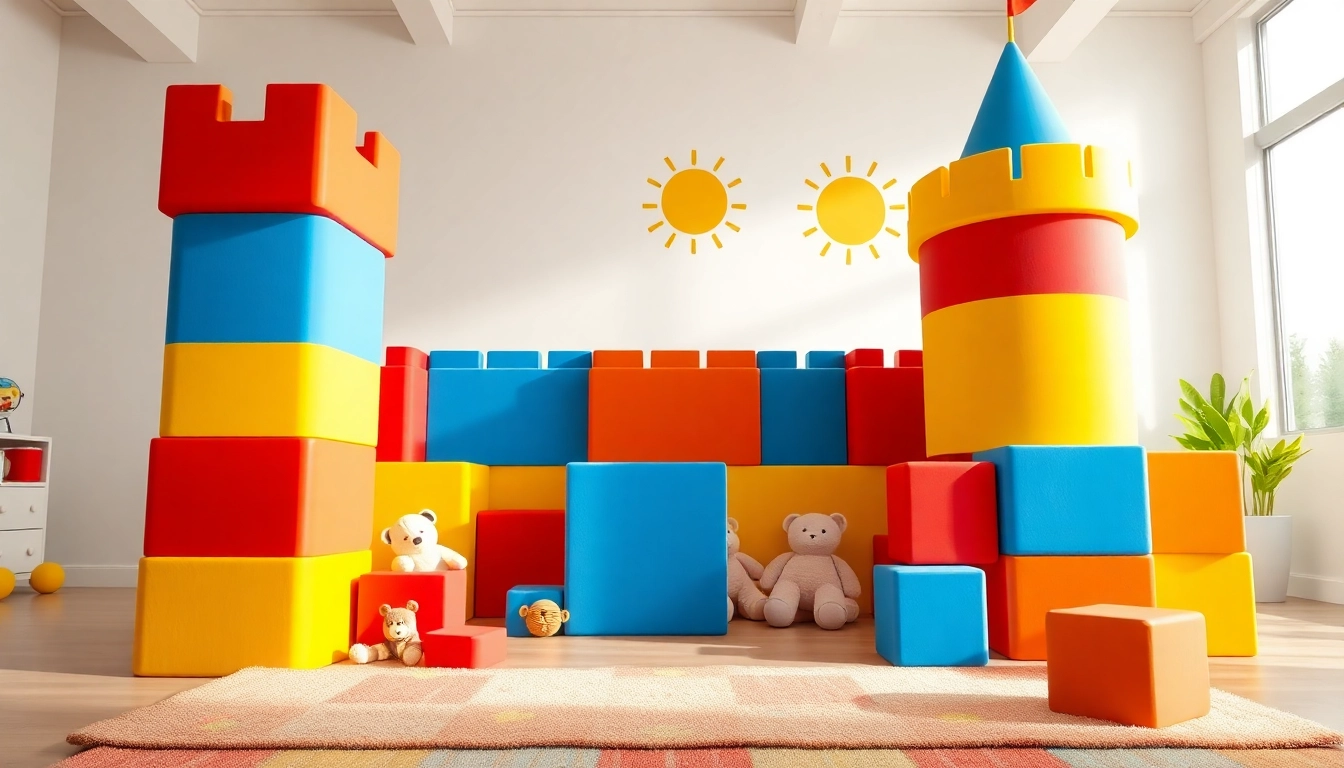
Introduction to Giant Foam Building Blocks
The world of play is richly populated with materials that encourage creativity, imagination, and physical development among children. Among these, giant foam building blocks stand out as a versatile and engaging option. Not only do they offer endless possibilities for construction and creativity, but they also prioritize safety, making them a favored choice for parents and educators alike. To fully appreciate the impact of these building blocks on child development and play, find out more about their features, benefits, and maintenance.
What Are Giant Foam Blocks?
Giant foam blocks are oversized, lightweight building materials made from high-density foam. These blocks come in a variety of shapes, sizes, and colors, making them an attractive choice for children. Unlike traditional wooden or plastic blocks, foam blocks are soft to the touch and designed to minimize injury risk during play. Their soft, cushioned nature allows kids to manipulate and stack them freely, encouraging creativity without the worry of sharp edges or heavy pieces. They are especially beneficial for young children who are developing their motor skills.
Benefits for Children
The benefits of using giant foam building blocks for children's play are manifold. First and foremost, they foster creativity and imaginative play. Children can create anything from simple towers to complex structures, encouraging free thinking and problem-solving skills. Additionally, foam blocks are instrumental in promoting physical activity; kids can engage in building and climbing experiences that enhance their gross motor skills and coordination.
Moreover, playing with these blocks can enhance social skills as children can participate in group play, working together to build and share their ideas. This collaborative play teaches communication, teamwork, and conflict resolution. Cognitive skills, such as spatial awareness and understanding of balance, are also developed as children navigate the challenges of constructing stable structures.
Different Types Available
The market offers a wide range of foam building block sets catering to various ages and skill levels. Some common types include:
- Basic Sets: These often include standard shapes such as squares, rectangles, and cylinders in various sizes and colors, perfect for beginners.
- Theme Sets: These sets may include unique shapes or characters, inspiring kids to create themed structures, such as castles or spaceships.
- Combination Sets: Combining various shapes and sizes allows for infinite building possibilities, ideal for group play and collaborative projects.
- Outdoor Foam Blocks: These are made from weather-resistant materials, allowing for safe play outside.
How to Choose the Right Foam Blocks
Safety Considerations
Safety is of paramount importance when selecting foam building blocks. When shopping for these products, look for certifications that indicate safety compliance with children's toy regulations. Ensure that the foam is non-toxic and free of hazardous materials. Another critical factor is the density of the foam; medium-density blocks are generally the safest choice, offering sufficient cushioning while remaining durable. Furthermore, consider the right age group for the blocks; different designs are suited for various developmental stages, and size matters to prevent choking hazards.
Age Appropriateness
When selecting giant foam building blocks, it’s crucial to match them to the child's developmental stage. Most blocks are designed for children aged 2 to 10, fostering creativity and motor skills at different growth phases. For toddlers, softer, larger blocks are recommended to aid in manipulation and balance, while older children may benefit from more complex shapes that challenge their creativity and engineering skills.
Block Size and Quantity
The size and quantity of blocks can significantly impact the play experience. Smaller blocks are excellent for detailed constructions, while larger blocks promote larger structures that can be built collaboratively. Consider the space available for play; more blocks can facilitate group play, while a smaller quantity may be best for individual use. In general, having a variety of sizes enhances creativity and allows for diverse building projects.
Creative Play Ideas with Foam Blocks
Building Structures for Imaginative Play
Giant foam building blocks are perfect for imaginative play, allowing children to create their own worlds. Encourage your child to construct a castle, spaceship, or fortress. This type of play not only entertains, but also enhances spatial reasoning and architectural skills. Establish a theme for building, like underwater exploration or outer space, to spark your child’s imagination further. These themed builts motivate children to engage in storytelling, leading to dynamic role-play scenarios.
Educational Games and Activities
Transform playtime into learning opportunities by incorporating educational games into foam block activities. For example, use building blocks to teach basic mathematics. Have children count blocks while building, add and subtract according to their structures, or use shapes to explore geometric concepts. You can also challenge children with timed building exercises to develop problem-solving skills and critical thinking. Incorporate literacy by asking children to create structures representing their favorite book or character.
Outdoor vs. Indoor Use
While foam blocks are generally designed for indoor use, certain sets are suitable for outdoor play. If using foam blocks outside, ensure they are protected from moisture to prolong their lifespan. Outdoor play encourages physical activity and allows children to explore their surroundings, fostering a connection with nature. When playing indoors, consider creating an obstacle course using foam blocks to enhance physical coordination and balance in a safe environment.
Maintaining Your Foam Building Blocks
Cleaning and Care
To keep foam building blocks hygienic and in good condition, regular cleaning is essential. They can be wiped down with a damp cloth and a solution of mild soap. Avoid harsh chemicals that could damage the foam surface. For blocks with noticeable stains or dirt buildup, consider soaking them briefly and rinsing thoroughly. Always ensure they are completely dried before storing to prevent mold and odors from developing.
Storing Foam Blocks Efficiently
Effective storage solutions can extend the life of your foam blocks. Opt for a designated storage bin or basket that allows for easy access and organization. Sorting blocks by size or color can make retrieval easier during playtime. To maximize space, consider vertical storage options such as shelving units. Keep blocks in a dry area to avoid moisture damage, and ensure they are easily accessible to encourage spontaneous play.
When to Replace Your Blocks
Monitoring the condition of foam blocks is vital in ensuring continued safe play. Check the blocks for signs of wear and tear, such as cracks, flattening, or loss of color. If blocks appear compromised, it may be time to replace them to maintain safety. Regularly cleaning and properly storing the blocks can help prolong their lifespan and delay the need for replacement.
Frequently Asked Questions
1. What are the recommended age groups for foam building blocks?
These blocks are suitable for children aged 2 to 10, fostering creativity and motor skills.
2. Are foam blocks safe for indoor use?
Yes, foam blocks are soft, lightweight, and designed to minimize injury risks during play.
3. How do I clean foam blocks?
Wipe them with a damp cloth and mild soap; ensure they're dried properly to maintain hygiene.
4. Can these blocks be used outdoors?
While they're primarily for indoor use, they can be used outside if they're well protected from moisture.
5. What makes foam blocks better than traditional building blocks?
Foam blocks are safer, more colorful, and encourage imaginative play without the risk of injury.