Understanding the Scissor Lift
What is a Scissor Lift?
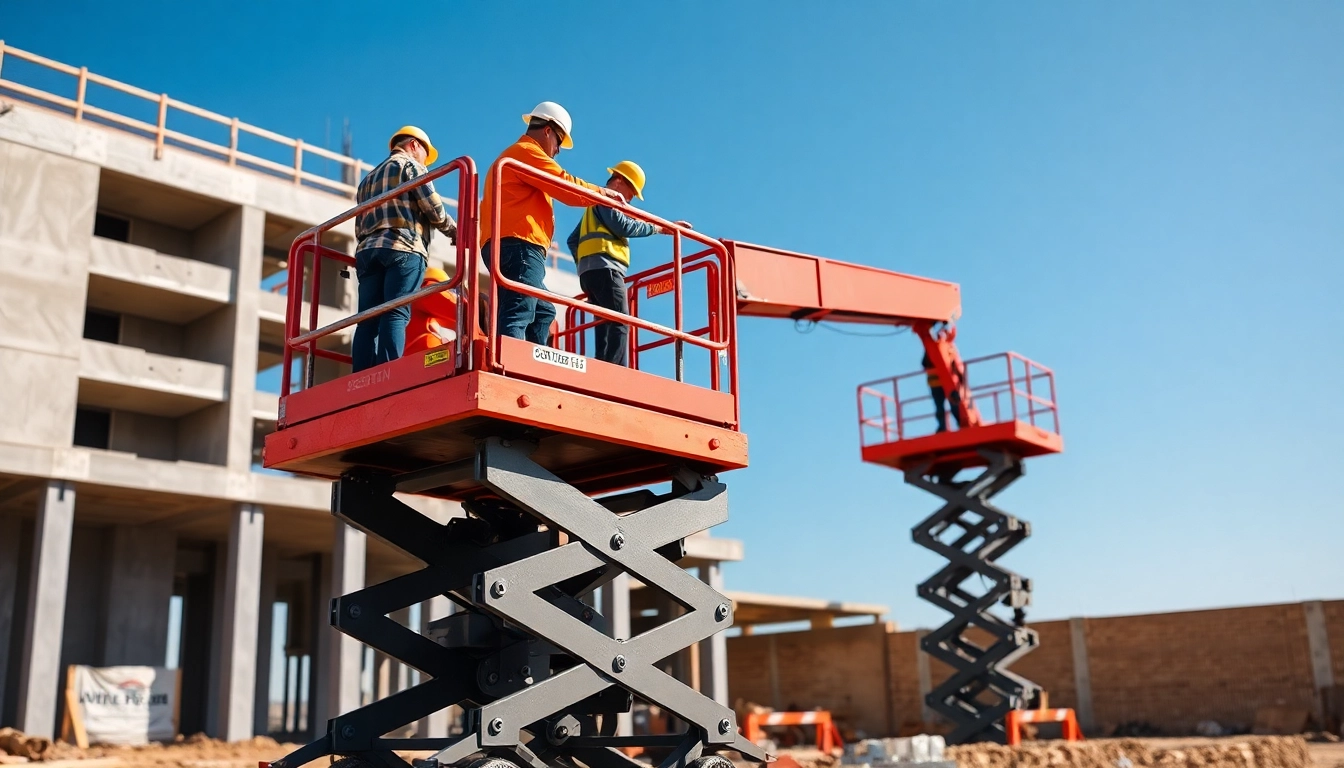
A scissor lift is a versatile and powerful piece of equipment designed for elevating personnel and materials to various heights. It is particularly useful in construction, maintenance, and warehouse operations due to its unique mechanism, which employs crisscrossed beams that move up and down in a scissor-like fashion. This design ensures stability and safety, allowing operators to perform tasks efficiently at elevated levels. Scissor lifts are available in several configurations, including electric and diesel models, which makes them adaptable for both indoor and outdoor applications.
How Does a Scissor Lift Work?
The operation of a scissor lift is based on hydraulic or pneumatic systems, which control the lifting motion of the platform. When the operator activates the lift, hydraulic cylinders extend the scissor arms, raising the platform vertically. The scissor mechanism provides a stable base, allowing for maximum lifting capacity while maintaining a lower center of gravity. This design minimizes the risk of tipping, making it safer than many traditional ladders and scaffolding options. Additionally, most scissor lifts come equipped with guardrails and emergency stop buttons to further enhance user safety.
Types of Scissor Lifts
Scissor lifts are categorized into various types based on their application and design features. The primary classifications include:
- Electric Scissor Lifts: These are ideal for indoor use due to their low noise levels and zero emissions. They are commonly utilized in maintenance, installation, and warehousing.
- Rough Terrain Scissor Lifts: Built for outdoor applications, these lifts feature large tires and higher ground clearance, allowing them to navigate uneven surfaces.
- Hydraulic and Pneumatic Scissor Lifts: These lifts use hydraulic fluid or compressed air, respectively, to power their lifting mechanism. Hydraulic models are more common in construction, while pneumatic lifts are often used in factories.
Choosing the Right Scissor Lift for Your Needs
Factors to Consider
When selecting a scissor lift, several key factors should guide your decision:
- Height Requirements: Determine the maximum height you need to reach. Scissor lifts can vary in lift heights from 10 to over 60 feet.
- Load Capacity: Assess the weight of the materials and personnel involved. Each scissor lift has a specified load capacity that must not be exceeded for safety reasons.
- Surface Type: Choose between electric and rough terrain models based on where the lift will primarily operate.
- Power Source: Decide whether you need electric, diesel or hybrid models based on the lift’s intended environment.
Common Use Cases
Scissor lifts are widely utilized across various sectors. Below are some common use cases:
- Construction Sites: For installing ceilings, lighting, and HVAC systems at height.
- Warehousing: For accessing high storage areas or conducting inventory checks on elevated shelving.
- Maintenance Applications: Ideal for painting, repairs, or installations in hard-to-reach areas.
Understanding Lift Loads
When operating a scissor lift, understanding load calculations is crucial. Generally, the manufacturer's guidelines provide specific load capacity ratings, including both personnel and materials. Overloading a scissor lift may lead to unsafe tipping and mechanical failures. Always ensure that the total weight on the platform does not exceed the maximum limit, including tools and equipment.
Safety and Best Practices with Scissor Lifts
Safety Guidelines
Safety should always be a priority when operating a scissor lift. Here are some essential safety guidelines:
- Pre-Operation Inspection: Conduct thorough checks before use, including controls, guardrails, and hydraulic systems.
- Proper Training: Ensure all operators are trained and familiar with the equipment's functionalities and safety protocols.
- Use Personal Protective Equipment (PPE): Operators should wear hard hats, safety glasses, and non-slip footwear.
- Avoid Overloading: Always adhere to weight limits outlined by the manufacturer.
Maintenance Tips
Routine maintenance is vital for ensuring the longevity and safe operation of scissor lifts. Consider the following maintenance tips:
- Regular Inspections: Schedule periodic inspections to identify and address any mechanical issues.
- Hydraulic Fluid Checks: Monitor and replace hydraulic fluid as necessary to avoid system malfunctions.
- Battery Maintenance: For electric models, ensure batteries are charged regularly and terminals are clean.
Common Mistakes to Avoid
Avoiding common pitfalls is essential for safe and effective use of scissor lifts. Here are a few to watch out for:
- Ignoring Weight Limits: Always adhere to the load capacity to prevent accidents.
- Using Improper Terrain: Ensure the lift is suitable for the working surface to avoid accidents.
- Neglecting Safety Features: Use guardrails and ensure emergency functions are operational.
Scissor Lift Rental vs. Purchase
When to Rent
Renting a scissor lift may be advantageous under specific circumstances. If your project is short-term or infrequent, renting can help save costs associated with maintenance, storage, and depreciation. Rental also provides access to a wider range of models, allowing you to choose one that fits the project's specific requirements without the commitment of a purchase.
Advantages of Buying
On the other hand, purchasing equipment could be a wise financial decision if your business regularly requires a scissor lift. Owning a lift allows for immediate access whenever needed, eliminating rental fees and potential availability issues. Additionally, long-term investment in a scissor lift could save money over time, especially when you can control maintenance and repairs.
Cost Considerations
Evaluating the financial implications is crucial in deciding whether to rent or buy. Calculate the following:
- Rental Costs: Determine the total cost of renting for the duration of your project.
- Ownership Costs: Consider the initial purchase price, maintenance, and operational costs over time.
- Depreciation: Assess how much value the lift will lose if purchased, as it can impact long-term investment returns.
FAQs About Scissor Lifts
What are the height limitations of scissor lifts?
Height limitations vary by model, with most scissor lifts reaching between 20 and 60 feet. Always consult manufacturer specifications for precise limits.
Can scissor lifts be used outdoors?
Yes, rough terrain scissor lifts are designed for outdoor use, capable of handling uneven surfaces. Standard electric models may not perform well outdoors.
What safety equipment is required when operating a scissor lift?
Operators should use PPE, including hard hats, gloves, and safety shoes. Additionally, ensure guardrails and harnesses are functional.
How do I ensure the correct load capacity?
Check the equipment's load capacity label before use, and ensure the total weight of personnel and materials does not exceed this limit.
What maintenance is needed for scissor lifts?
Regular inspections, hydraulic fluid checks, battery maintenance for electric models, and general cleanliness are essential for optimal operation.
Contact Information
Call Us:4062607988Address: 3906 MT-40, Columbia Falls, MT 59912