Introduction to Soft Foam Building Blocks
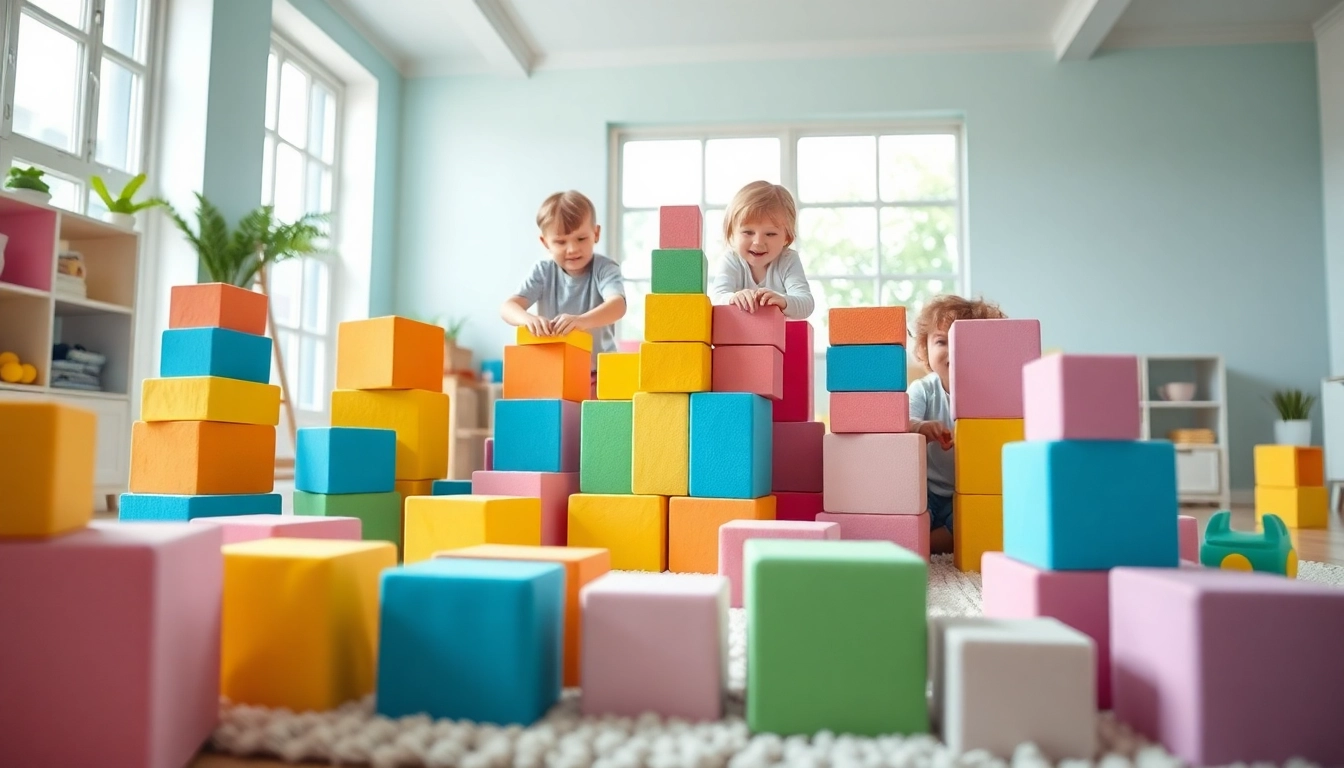
Soft foam building blocks are not just toys—they are gateways to creativity, motor skill development, and social interaction for children. These versatile blocks are designed to be safe, lightweight, and easy to manipulate, making them perfect for young architects and builders. Children can freely engage in imaginative play, constructing anything from simple towers to elaborate castles. As parents and educators seek enriching play experiences for children, exploring the benefits and functionalities of soft foam building blocks becomes essential. read more here to discover everything you need to know about these engaging tools for play.
What Are Soft Foam Building Blocks?
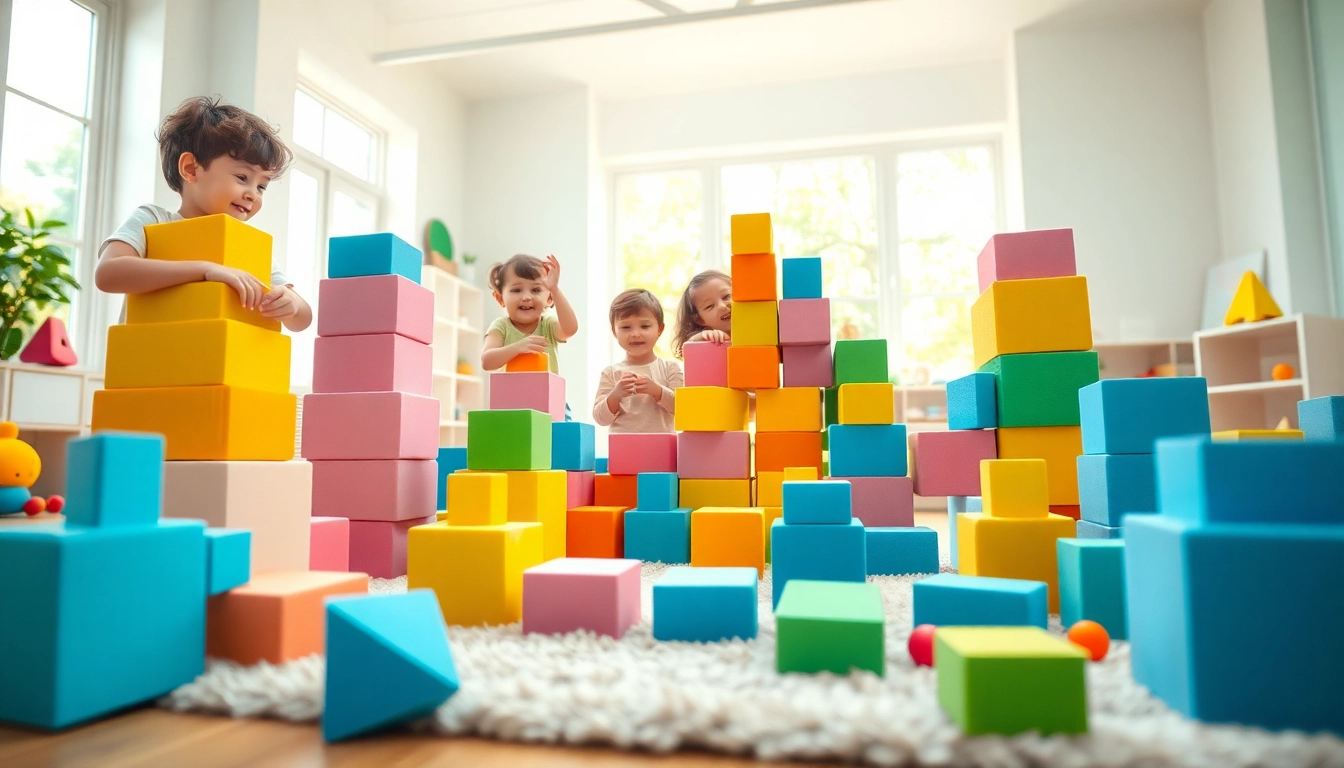
Soft foam building blocks are made from lightweight, non-toxic foam materials, designed specifically for children’s play. These blocks come in various shapes, sizes, and colors, offering an exciting way for children to explore basic engineering concepts while using their imaginations. Unlike traditional building materials, the soft texture of foam blocks provides a safe building experience, suitable for even the youngest toddlers. This play component can fit seamlessly into any indoor or outdoor play environment.
Benefits of Soft Foam for Child Development
Beyond simple enjoyment, soft foam building blocks offer myriad developmental benefits for children. Engaging with these blocks fosters:
- Cognitive Development: Children learn about cause and effect as they balance blocks and see how structures can stand (or fall).
- Social Skills: Collaborative play with peers encourages teamwork, communication, and conflict resolution.
- Fine Motor Skills: Manipulating blocks helps develop hand-eye coordination and dexterity. This skill set is essential for future tasks such as writing or using tools.
- Imagination and Creativity: As children build, they engage in imaginative scenarios, promoting creative thinking and storytelling.
Choosing the Right Blocks for Play
When selecting soft foam blocks, consider various factors such as age appropriateness, materials, and intended use. Blocks should be lightweight and easy to handle for toddlers, while also offering durability for older children. Look for options that are:
- Non-Toxic: Ensure the materials are free from harmful chemicals, making them safe for children.
- Varied Shapes and Sizes: A range of shapes can inspire creativity and support different building methods.
- Easy to Clean: Select blocks that can be wiped down easily to maintain hygiene, especially since they will be used frequently.
Creative Play Ideas
Imaginative Structures and Playscapes
Encouraging a child to build imaginative structures can lead to exciting narratives and scenarios. Here are some creative play ideas:
- Tower Building: Help your child engineer the tallest tower possible, using balance and stability principles.
- Obstacle Courses: Create a playful pathway using foam blocks where children challenge themselves to navigate through or over obstacles.
- Fort Construction: Allow children to construct forts or hideaways, fostering a sense of safety and creativity.
Collaborative Building Games
Group play with soft foam blocks can enhance cooperation and communication among children. Here are some engaging collaborative activities:
- Team Challenges: Divide children into teams, giving them a task to complete using blocks, such as building a bridge that can hold weight.
- Building Competitions: Create friendly competitions to see which team can build the most creative structures in a limited time.
- Role-Playing Scenarios: Encourage children to build scenes that represent stories or themes, such as a jungle or outer space, to enhance their engagement.
Incorporating Themes in Play
Integrating themes into play can significantly boost children’s creativity and interest. Here are a few themed ideas:
- Space Exploration: Build rocket ships and planets, and incorporate storytelling about space voyages.
- Underwater Adventures: Create ocean scenes with foam blocks representing underwater habitats or maritime vehicles.
- Fairy Tale Castles: Encourage kids to build castles or enchanted lands, fostering imaginative play and storytelling.
Safety Considerations
Choosing Non-toxic Materials
As children are prone to putting toys in their mouths, it’s critical to choose building blocks that are made from non-toxic materials. Look for certifications or materials that are free from allergens and harmful substances. This ensures children can play freely without risk.
Safe Play Environments for Young Children
Creating a safe play area is essential to minimize accidents. Ensure that the play surface is soft, with adequate space to prevent falls from large structures. Indoor play areas should be free from hard surfaces, and outdoor spaces should be supervised while children engage with foam blocks.
Avoiding Common Accidents
Despite the inherent safety of soft foam blocks, accidents can happen. Here are strategies to prevent them: Keep play areas organized to avoid tripping hazards, supervise young children to prevent inappropriate uses of blocks, and teach children about safe building practices such as balancing blocks correctly.
Educational Aspects of Building with Foam Blocks
Learning Shapes, Colors, and Sizes
Soft foam blocks offer an excellent opportunity to teach children fundamental concepts in mathematics, such as shapes, colors, and sizes. By incorporating games that focus on these elements, children can learn while creating. For instance, ask children to sort blocks by color or create varying structures using a specific shape.
Developing Fine Motor Skills
Manipulating foam blocks allows children to develop fine motor skills crucial for their everyday activities. Activities such as stacking, building, and balancing enable hand-eye coordination and improve dexterity. Encouraging children to engage in these activities regularly enhances their muscle control and grip strength.
Enhancing Spatial Awareness
Playing with soft foam blocks provides a tangible experience that helps children enhance their spatial awareness. As they manipulate blocks, they learn about positioning and perspective, which are fundamental skills for various aspects of mathematics and science later in life. Engaging in activities that encourage moving blocks around in three-dimensional space is beneficial for their cognitive development.
FAQ Section
Are soft foam building blocks safe for toddlers?
Yes, soft foam blocks are designed to be safe for toddlers, featuring rounded edges and non-toxic materials that reduce the risk of injury during play.
How can I encourage my child to play with foam blocks?
Start by modeling play, creating interesting structures together, and introducing themed play scenarios that spark your child's imagination.
What age is appropriate for soft foam building blocks?
Soft foam building blocks are suitable for children aged 1 and up, making them a versatile play option that supports both safety and creativity.
Are there benefits to group play with foam blocks?
Group play significantly enhances social skills, teamwork, and communication while fostering creativity through collaborative building exercises among children.
How do I clean soft foam building blocks?
Most foam blocks can be wiped clean with a damp cloth or mild soapy water. It's always best to check the care instructions provided with your blocks for specific cleaning guidelines.