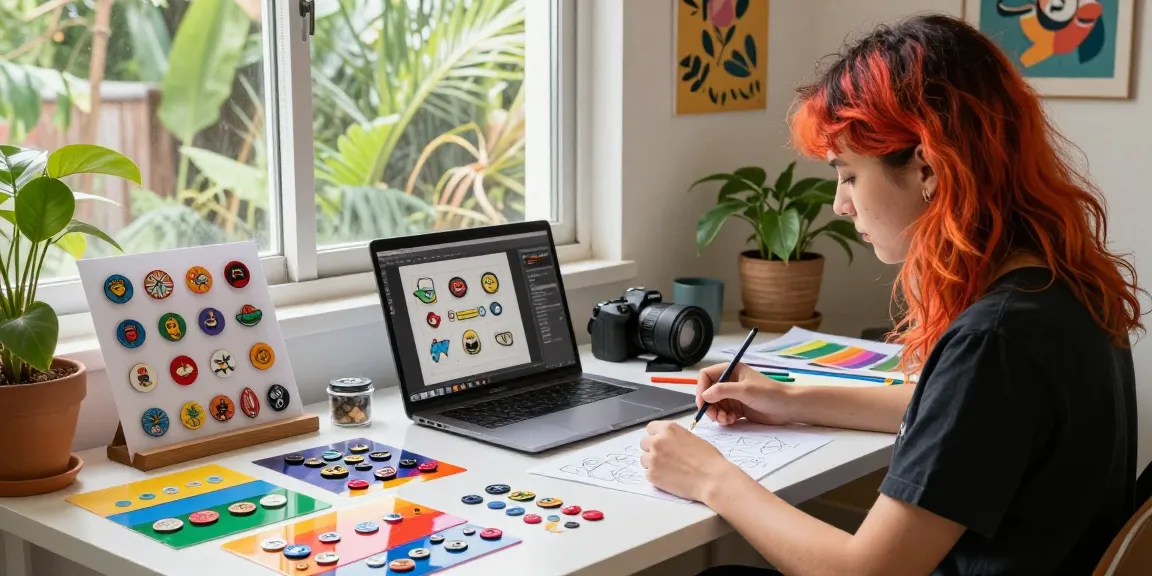
Understanding Custom Pins: A Designer's Guide
In today's creative landscape, custom pins have emerged as a versatile accessory that transcends ordinary design boundaries. They serve numerous purposes, from promotional items for businesses to fashion statements for individuals. Custom pins are not merely decorative; they embody personal expression, branding strategies, and unique artistry. As we explore the world of custom pins, understanding their significance in modern design becomes paramount. This guide delves into the various aspects of custom pins, examining their applications, the evolution of their design, and the materials and techniques involved in their creation.
What Are Custom Pins and Their Popular Uses?
Custom pins are typically small decorative items made from various materials, including metal, acrylic, and enamel. They are often designed to feature logos, artwork, or special messages, making them popular among businesses, brands, and individuals alike. Here are some common uses:
- Brand Promotion: Companies frequently use custom pins as promotional items to enhance brand visibility and consumer engagement.
- Commemorative Events: Pins celebrating memorable occasions, such as anniversaries, conferences, or charity events, serve as both souvenirs and promotional tools.
- Fashion Accessories: Many individuals wear pins as fashion statements or expressions of personal identity, often collecting pins that reflect their interests or beliefs.
- Fundraising: Nonprofit organisations often sell custom pins to raise funds for their causes, leveraging their unique design for added appeal.
The Evolution of Custom Pins in Modern Design
The concept of custom pins dates back centuries, primarily utilising basic materials and simple designs. However, the modern age has witnessed a renaissance in pin design. With advancements in technology and changes in consumer preferences, today's custom pins come in innovative shapes, sizes, and finishes, such as:
- Soft and Hard Enamel Pins: Differentiating between finishes has allowed for richer textures and finishes, appealing to a broader audience.
- Acrylic Pins: Lightweight and vibrant, acrylic pins have gained popularity for their colourful designs and durability.
- Eco-Friendly Options: As sustainability becomes paramount, manufacturers are exploring biodegradable and recycled materials for pins.
Designing Custom Pins: Best Practices
Designing custom pins involves creativity, but it also requires an understanding of your target audience. A successful design not only captivates attention but also communicates a message effectively. Below are best practices to consider when creating custom pins.
Understanding Your Target Audience for Custom Pins
Identifying your target audience is crucial. Understanding their preferences, interests, and values can significantly influence design decisions. For instance, a design aimed at teenagers might incorporate vibrant colours and trendy patterns, while professional corporate badges would lean towards minimalist and sleek designs.
Creating Engaging Designs That Stand Out
To create engaging custom pin designs, consider the following:
- Use Bold Colours: Bright, contrasting colours can attract attention and make your pins memorable.
- Incorporate Unique Shapes: Non-standard shapes can create a visual interest that standard round pins lack.
- Keep it Simple: Overly complex designs can become cluttered when scaled down. Aim for simplicity and clarity.
Prototyping and Testing Your Custom Pin Designs
Before finalising a design, creating prototypes is essential. This step allows for testing the visual impact and practicality of the design. Gathering feedback from potential users can provide valuable insights and help refine the final product.
Production Process: Turning Ideas into Reality
Once a design is finalised, the next step is the production process. This phase involves selecting the right manufacturer, understanding costs, and ensuring quality control.
Choosing the Right Manufacturer for Your Custom Pins
Finding a reputable manufacturer is key to successful custom pin production. Look for companies with extensive experience in the industry, positive reviews, and a portfolio that demonstrates their capabilities. It's also beneficial to choose a manufacturer that offers diverse materials and production methods.
Understanding Cost Factors in Custom Pin Production
Several factors influence the cost of custom pin production, including:
- Material Selection: Different materials will vary significantly in cost.
- Order Quantity: Bulk orders typically reduce the per-unit price.
- Design Complexity: Intricate designs may require more time and resources, impacting the overall cost.
Quality Control: Ensuring Excellence in Custom Pins
Quality control is essential to maintain high standards in custom pin production. Ensure that the manufacturer follows strict quality assurance processes, including checking for defects and ensuring colour accuracy before sending the final product.
Marketing and Selling Your Custom Pins
Once produced, the next step is to market and sell your custom pins effectively. Successful marketing strategies can significantly enhance visibility and sales.
Effective Strategies for Promoting Your Custom Pins Online
To promote your custom pins, consider these strategies:
- Build a Strong Online Presence: Use social media platforms to showcase your designs and engage with potential customers.
- Content Marketing: Create blog posts and videos that highlight the unique aspects of your pins, sharing stories behind the designs.
- Email Marketing: Use newsletters to reach out to previous customers and inform them of new designs and special deals.
Utilising Social Media to Showcase Your Custom Pins
Social media can be a powerful tool for showcasing your custom pins. Platforms like Instagram and Pinterest are visual-centric and ideal for sharing high-quality images of your products. Engaging content—such as behind-the-scenes videos of the design and production processes—can also attract attention and foster goodwill.
Building an Engaging E-commerce Platform for Custom Pins
For optimal sales, consider establishing an e-commerce platform that is user-friendly and visually appealing. High-quality images, detailed descriptions, and customer reviews can enhance the shopping experience, increasing the likelihood of purchases.
Future Trends in Custom Pins: Insights for 2026 and Beyond
As we look toward the future, the custom pin market is poised for exciting developments. Here are some trends expected to shape the industry.
Emerging Technologies in Custom Pin Manufacturing
With advancements in technology, including 3D printing and laser cutting, the possibilities for custom pin designs are expanding. These technologies can facilitate rapid prototyping and complex designs that were previously unattainable.
Design Trends Shaping the Future of Custom Pins
Current design trends reflect broader cultural shifts towards inclusivity and sustainability. Expect to see:
- Personalization: Customisable pins that allow buyers to add their touch will become increasingly popular.
- Eco-Conscious Designs: More manufacturers will use sustainable materials and processes, catering to environmentally conscious consumers.
Predictions for the Custom Pin Market in the Coming Years
Experts predict a continued growth in the custom pin market, driven by rising consumer demand for unique, personalised items. The integration of technology into design and manufacturing will likely enhance creativity and efficiency. Furthermore, social media will continue to play a pivotal role in marketing strategies.
What materials are best for making custom pins?
The best materials for custom pins depend largely on the intended use and design. Common choices include:
- Metal: Offers durability and a classic look.
- Acrylic: Provides vibrant colours and lightweight options.
- Soft Enamel: Allows for intricate designs with texture.
How can I effectively market my custom pins?
Effective marketing of custom pins involves leveraging both online and offline strategies, engaging with your target audience through social media, and ensuring a strong e-commerce presence.
What are the cost considerations in custom pin production?
Key cost considerations include material selection, design complexity, order volume, and manufacturing techniques.
What design trends should I follow for custom pins?
Current design trends favour simplicity, bold colours, and eco-friendly materials, alongside personalized and unique shapes.
How do I choose a manufacturer for custom pins?
Look for a manufacturer with a proven track record, positive reviews, and capabilities that match your design requirements while offering flexibility in materials and techniques.