Understanding Above-Ground Storage Tank Design
Above-ground storage tanks (ASTs) play a critical role in numerous industries, serving as pivotal vessels for the storage of various liquids, including fuel, chemicals, and agricultural products. Understanding the complexities of Above-Ground Storage Tank Design requires insight into their structure, purpose, and the significant regulations that govern their use.
Definition and Purpose of Above-Ground Storage Tanks
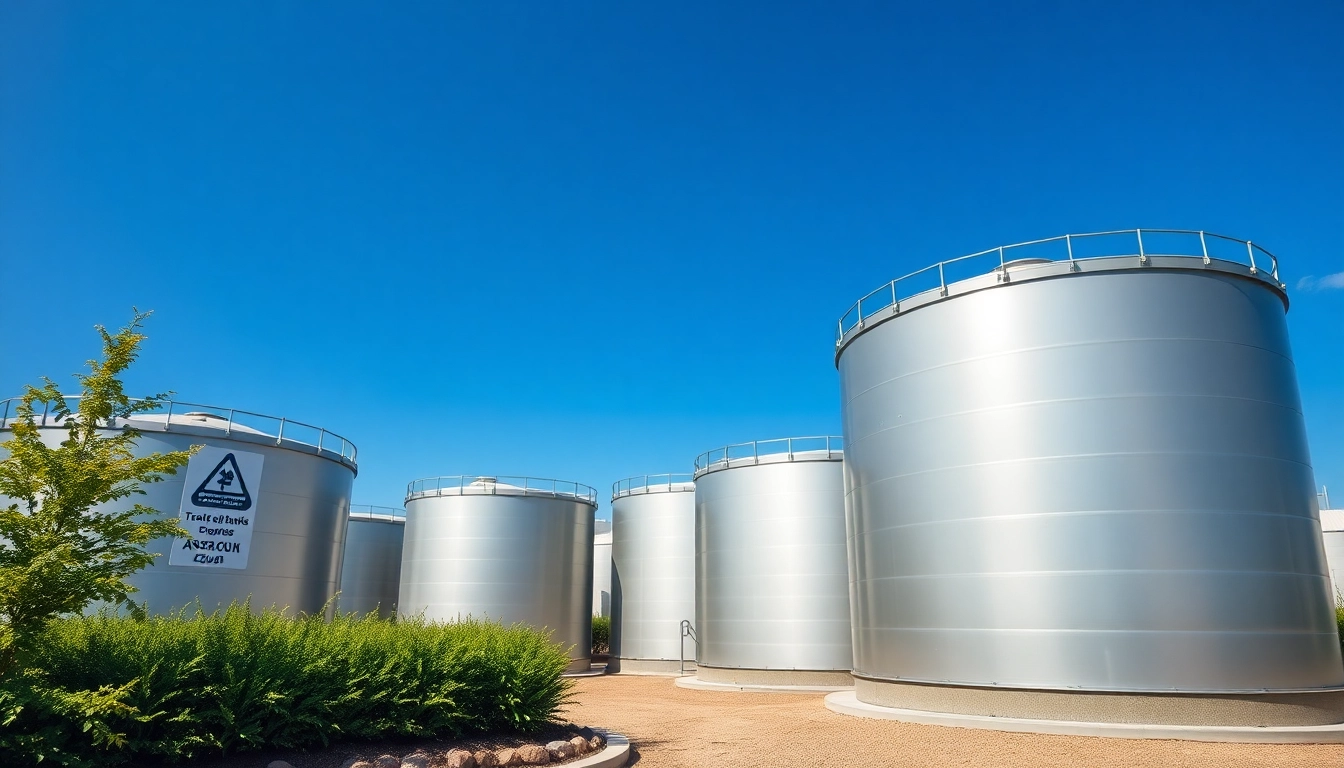
An above-ground storage tank is a reservoir that holds liquids situated entirely above grade. Unlike underground tanks, ASTs provide easier access for maintenance, inspection, and monitoring, making them vital for emergency response and environmental safety. Typically, these tanks are used for storing petroleum products, water, chemicals, and other hazardous materials, necessitating thoughtful design and adherence to strict standards to mitigate risks and ensure safe operation.
Key Components of Effective Tank Design
Effective above-ground storage tank design encompasses several critical components:
- Tank Material: Steel and fiberglass are common materials, selected based on the storage medium, required durability, and environmental conditions.
- Structural Integrity: Design must accommodate the physical forces exerted by the stored liquids, as well as potential external factors, such as wind and seismic activity.
- Access and Valves: Proper access for filling, draining, and maintenance is vital for operational efficiency and safety. Valves should be strategically positioned to facilitate safe transfer operations.
- Secondary Containment: All designs should include features for spill containment, such as dikes or double-walled construction, to prevent environmental contamination.
Regulatory Considerations and Compliance Standards
Various federal, state, and local regulations govern the design and use of ASTs, focusing on safety and environmental impacts. The Environmental Protection Agency (EPA) mandates compliance with spill prevention regulations, particularly the Spill Prevention, Control, and Countermeasure (SPCC) rule, which dictates protocols for preventing and responding to spills. Furthermore, tank design should comply with American Petroleum Institute (API) standards, such as API 650, which outlines specifications for the construction of ASTs.
Types of Above-Ground Storage Tanks
Common Materials Used in Tank Construction
The choice of materials is essential in above-ground storage tank design. Common materials include:
- Steel: Offers high strength and durability, commonly used for fuels and chemicals; requires protective coatings to prevent corrosion.
- Fiberglass-Reinforced Plastic: Lightweight and resistant to corrosion, suitable for various chemical storage applications.
- Concrete: Preferred for larger tanks; provides excellent fire resistance but can be more expensive.
Design Variations Based on Application
Above-ground storage tanks can be designed in several configurations depending on their intended use:
- Vertical Tanks: Common for fuel storage, they utilize minimal ground space, facilitating easier installation and maintenance.
- Horizontal Tanks: Typically used when space acquisition is limited, these designs are often used for chemical storage.
- Custom Configurations: Designed for specific applications, these tanks may integrate multiple features to enhance functionality.
Environmental Impact Considerations
The environmental impact of AST design is significant. Tanks must be designed to withstand environmental stresses and reduce the risk of leaks or spills. Implementing sustainable initiatives, such as using recycled materials or designing for energy efficiency during production, contributes positively to environmental stewardship. Additionally, conducting regular environmental impact assessments helps ensure compliance with regulatory standards and mitigates potential adverse effects.
Safety Features in Above-Ground Storage Tank Design
Fire and Spill Prevention Measures
Safety is paramount when designing above-ground storage tanks. Effective fire prevention measures include:
- Flame Arresters: Devices designed to prevent flames from traveling along vapor pathways.
- Temperature Controls: Monitoring and controlling the temperature of fluids help mitigate risks of explosion or ignition.
- Leak Detection Systems: Automated sensors can detect leaks early, allowing for prompt corrective actions.
Monitoring and Maintenance Protocols
Regular monitoring and maintenance are crucial for the longevity of storage tanks. This includes:
- Routine inspections for structural integrity and external conditions, such as corrosion or wear.
- Scheduled cleaning to remove contaminants and fluids that could affect storage quality.
- Documentation of maintenance actions and evaluation of tank performance metrics.
Emergency Response Planning
Every storage facility must have a comprehensive emergency response plan. Key components include:
- Training: All personnel must be trained in emergency protocols and proper usage of equipment.
- Drill Simulations: Regular drills should be conducted to ensure preparedness for potential incidents.
- Coordination with Local Authorities: Collaboration with local emergency services ensures access to resources and streamlined response efforts.
Best Practices for Designing Above-Ground Storage Tanks
Integrating Sustainability into Design Choices
Integrativism in sustainability during the Above-Ground Storage Tank Design involves making conscientious choices regarding material selection, energy usage, and waste management. Considerations include the lifecycle of materials, incorporating solar solutions where feasible, and adhering to green design principles.
Maximizing Space and Efficiency
Space efficiency can be achieved through careful planning of tank placement and orientation. Employing vertical designs can maximize limited ground space. Additional guidelines include:
- Utilizing modular components to facilitate scalability and reduce footprint.
- Implementing dual-purpose designs that serve multiple functionalities, improving utility.
Case Studies of Successful Designs
Examining case studies of effective above-ground storage tank designs can provide valuable insight. For example, tanks that effectively utilize a combination of materials and advanced technologies can demonstrate high safety and ecological standards. Successful case studies also include assessments of long-term performance and maintenance efficiency. Documenting these examples can serve as a reference for innovative practices in the industry.
Future Trends in Above-Ground Storage Tank Design
Advancements in Materials and Technology
As technology evolves, the development of advanced materials, such as composites and smart alloys, promise to enhance the structural integrity of above-ground tanks. Innovations like IoT-integrated monitoring systems will enable real-time assessment of tank conditions, preventative maintenance scheduling, and enhanced safety protocols.
Regulatory Evolution and Its Impact
Expect ongoing changes in regulations, focusing on stricter environmental compliance measures. Staying informed on these developments will empower facility managers to make proactive adjustments. Industry trends indicate a growing emphasis on eco-friendly practices, pushing for renewed materials that satisfy emerging standards and minimize environmental impact.
Preparing for Increasing Environmental Regulations
With the regulatory landscape shifting to emphasize sustainability, companies must adapt by integrating new practices in their design processes. This includes developing comprehensive spill-sensitive designs and exceeding the minimum regulatory requirements. Conducting periodic reviews of compliance standards will ensure preparedness and enhance safety measures.
FAQs
What types of liquids can be stored in ASTs?
ASTs can store a wide variety of liquids, including fuels, chemicals, and water, provided they are designed specifically for those materials.
How often should ASTs be inspected?
Routine inspections should be done at least annually, with more frequent checks recommended for factors like environmental conditions or past leaks.
What are common materials used for AST construction?
Common materials include steel, fiberglass, and concrete, each chosen based on the type of liquid and local environmental conditions.
Are there regulations governing the design of ASTs?
Yes, various regulations, including those from the EPA and local environmental agencies dictate design standards for safety and environmental protection.
What safety features are required for ASTs?
Required safety features include spill containment systems, fire prevention measures, and leak detection systems to minimize risk and enhance safety.